
What Is CBM in Logistics? Meaning and Use
CBM (Cubic Meter) in shipping: what it means, how freight volume is calculated, and why CBM matters for LCL quotes and logistics planning.
Contents
Key takeaways
- CBM (cubic metre) measures volume: one CBM is a space of 1 m × 1 m × 1 m.
- In international logistics, freight is quoted on CBM and weight, and you pay on whichever gives the higher charge.
- A 20-foot container is roughly 33 CBM and a 40-foot container roughly 67 CBM.
Meaning, Significance, and Practical Use of Trade Logistics Term CBM
In various fields, regardless of the domain, standardization of units is paramount. The lack of standardized units has led to numerous issues, such as the failure of Kimry Glider or the Mars Orbiter.
In trade logistics, efficient and precise communication necessitates the use of various units. Today, let’s delve into the meaning and significance of CBM, a fundamental measure in logistics calculation.
CBM: Meaning, Significance, and Examples
CBM, commonly used in logistics, stands for “Cubic Meter,” denoted as “체적 미터” in Korean, serving as a unit to measure the volume of objects or goods. One CBM represents the volume of a space with dimensions of one meter each for length, width, and height.
- For instance, if Product A occupies dimensions of 0.5m in width, 0.8m in length, and 1.2m in height, its CBM would be calculated as 0.5m x 0.8m x 1.2m = 0.48 CBM.
Application of CBM in the Field of Logistics
CBM isn’t solely confined to trade; it’s also utilized in other sectors. Moving companies, for instance, often estimate quotes based on CBM, and even in domestic logistics, CBM serves as a standard unit of measurement. Particularly in international trade logistics, CBM, along with weight, is used for quoting, with logistics costs being charged based on whichever metric yields a higher cost. Whether for quoting or optimizing loading plans and transportation costs, CBM is indispensable for effectively utilizing logistics space.
Utilizing CBM in Trade Practice
Optimizing transportation costs is crucial for maintaining competitive pricing in trade. Thus, both logistics companies and shippers must employ CBM for logistics optimization. In some cases, international shipping companies like EMS or forwarders may quote based on CBM, and unfamiliarity with this concept can lead to cost discrepancies. For example, if Company A contacts Forwarder B to export dolls from China, and B quotes $50 per CBM, Company A must pay $50 for transporting any volume, be it 0.1 CBM or 1.1 CBM. Therefore, adjusting the quantity or mixing additional items wisely when exceeding 1 CBM can be prudent.
Moreover, when utilizing Full Container Load (FCL) logistics, where entire containers like 20-foot or 40-foot containers are used, converting these containers into CBM yields approximately 33 CBM and 67 CBM, respectively.
CBM enables efficient volume calculations in logistics and aids in optimizing logistics costs and establishing accurate transport schedules. Therefore, even for non-logistics professionals, utilizing CBM accurately in trade practice helps in cost reduction and efficient management of logistics processes, contributing to maintaining competitiveness.
In reality, not just CBM, but a thorough understanding and utilization of trade terminology can prevent various issues in trade transactions and facilitate more efficient dealings. Thus, continuous study of terms and concepts is essential.
For further insights, readers can refer to a post on MOQ, a concept closely related to CBM, for practical utilization in trade transactions.
MOQ Explained: Meaning and Similar Concepts Required for Purchasing Goods
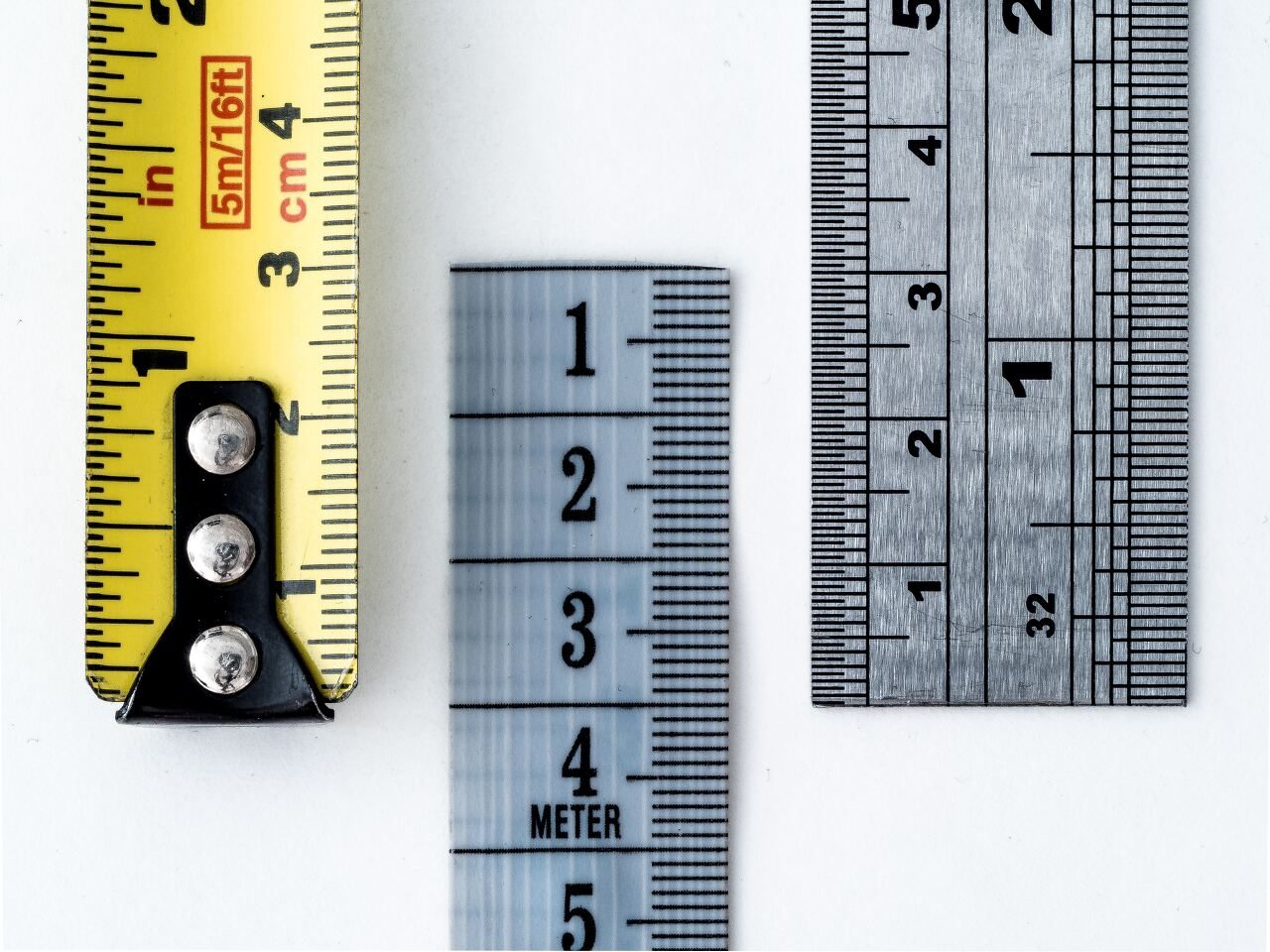
For a thorough understanding of logistics, it’s crucial to clearly grasp and utilize fundamental unit terms, including CBM.
FAQ
How do you calculate CBM?
Multiply width × length × height in metres. For example, 0.5 m × 0.8 m × 1.2 m = 0.48 CBM.
Why does CBM matter for freight costs?
Forwarders often quote per CBM. At $50 per CBM you may pay the same for 0.1 CBM as for a full unit, so adjusting quantity or consolidating items around the 1 CBM mark can save money.
How many CBM fit in a container?
A 20-foot container converts to approximately 33 CBM and a 40-foot container to approximately 67 CBM.
Related: FCL vs LCL shipping
Related posts

FCL vs LCL: Meaning, Cost Math and When to Use Each
FCL vs LCL ocean freight explained: W/M pricing, container capacity, finding your break-even, and the LCL charges and delays shippers miss.

ETD and ETA in Shipping: Meaning and Use
ETD (Estimated Time of Departure) and ETA (Estimated Time of Arrival) explained for traders—why schedule accuracy matters in logistics and supply chains.

Demurrage vs Detention: Meaning and How to Count Free Time
Demurrage is the fee for a carrier container kept inside the terminal past free time; detention applies once it is outside. How to count days and read the bill.

CFS vs CY in Shipping: Meanings and Differences
CFS (Container Freight Station) and CY (Container Yard) explained for traders—where cargo is handled, who pays, and how the terms differ in practice.
Collaboration & consulting: [email protected]
More in Export & Import Practice: Tariffs & Customs · Trade & Economic Glossary