Trade & Economic Glossary
Commercial Invoice vs Packing List: Required Fields
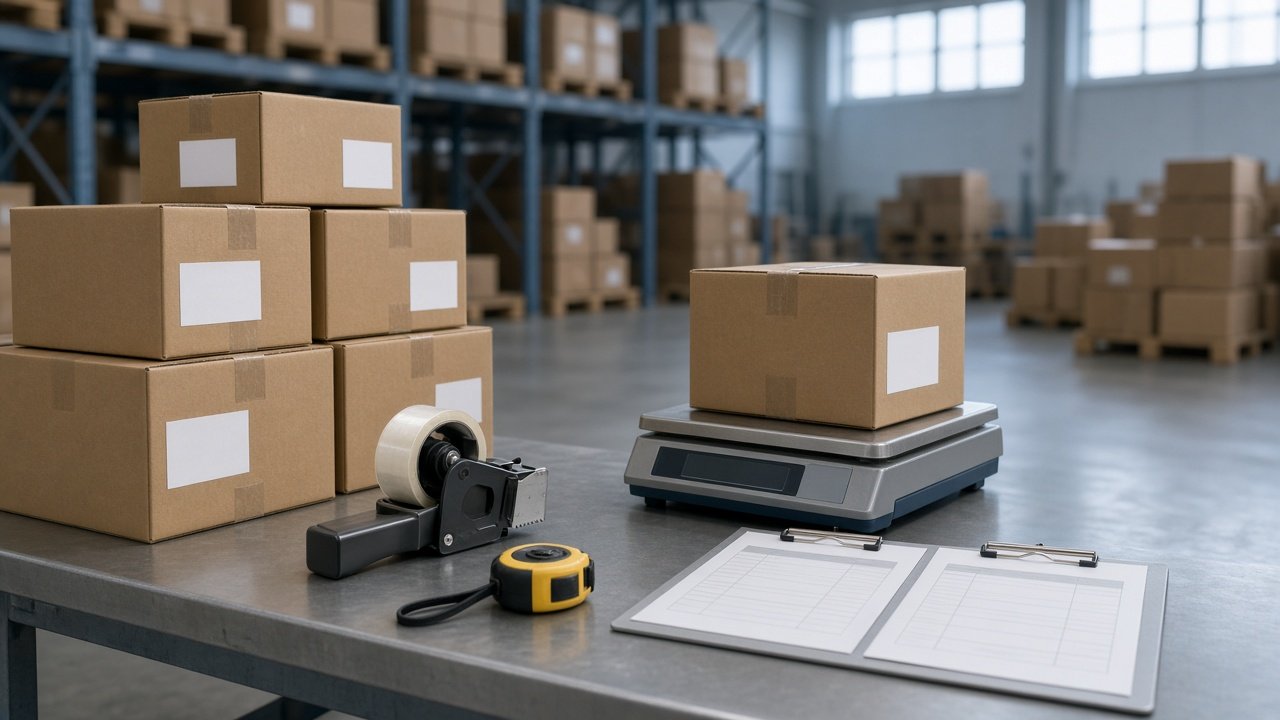
An invoice proves price and terms; a packing list proves cartons and weights. Here is the difference and the fields Korea Customs and 19 CFR 141.86 expect.
Hands-on export and import know-how in one place: shipping documents and freight, tariffs and customs, and the terms every trader uses. 25 posts.
An invoice proves price and terms; a packing list proves cartons and weights. Here is the difference and the fields Korea Customs and 19 CFR 141.86 expect.
Demurrage is the fee for a carrier container kept inside the terminal past free time; detention applies once it is outside. How to count days and read the bill.
A letter of credit pays only if documents match. A wire transfer pays when the buyer sends funds. Compare timing, the 21-day rule, and discrepancy risk.
A bill of lading is a document of title; a sea waybill is not. Compare original, surrender, and waybill release, and when to skip couriering originals.
A letter of credit is a bank promise to pay if documents match. This note covers issuance, presentation, negotiation, and how to avoid mismatches under UCP 600.
Korean certificates of origin: chamber, customs, or exporter self-issuance by FTA, what to file before shipment, and mistakes that get claims refused.
What Korea’s export duty drawback refunds, the five-year claim window, the two-year import lookback, and individual vs SME flat-rate claims.
What an HS code is, how exporters look up and classify goods, the 6-digit international vs 10-digit Korean HSK difference, and why it matters for duty rates and FTA.
A practical exporter guide to unsettled U.S. tariffs as of October 2026—Korea’s 15% deal context, Section 301, and IEEPA court rulings.
CFS (Container Freight Station) and CY (Container Yard) explained for traders—where cargo is handled, who pays, and how the terms differ in practice.
FCL vs LCL ocean freight explained: W/M pricing, container capacity, finding your break-even, and the LCL charges and delays shippers miss.
CBM (Cubic Meter) in shipping: what it means, how freight volume is calculated, and why CBM matters for LCL quotes and logistics planning.