
Clean B/L: When Will a Bank Refuse It Under an L/C?
A clean bill of lading has no clause declaring defective goods or packaging. Which notations make a B/L claused and get L/C documents refused?
Contents
- Key points
- What is the difference between a clean and a claused B/L?
- How do UCP 600 and ISBP decide whether a B/L is clean?
- Which clauses do not make a B/L claused?
- What happens to an L/C payment with a claused B/L?
- How much can the delay cost? An example
- What should you check to get a clean B/L?
- FAQ
- Does a clean B/L have to say “clean”?
- Will “packaging may not be sufficient” get my documents refused?
- Is “shipper’s load and count” a claused notation?
- Can I still get paid with a claused B/L?
- Sources
A bank can refuse a bill of lading under a letter of credit when it carries a clause that expressly declares a defect in the goods or their packaging. Without such a notation the B/L is clean, even if the word “clean” never appears. A B/L with that kind of clause is called claused, foul or dirty.
Key points
- Under UCP 600 Article 27, banks accept only clean transport documents: no clause or notation expressly declaring a defective condition of the goods or packaging.
- The word “clean” need not appear, even when the credit asks for a “clean on board” B/L.
- Under ISBP, “packaging is not sufficient for the sea journey” declares a defect; “packaging may not be sufficient for the sea journey” does not.
- Clauses such as “shipper’s load and count” and “said by shipper to contain” are acceptable under UCP 600 Article 26.
What is the difference between a clean and a claused B/L?
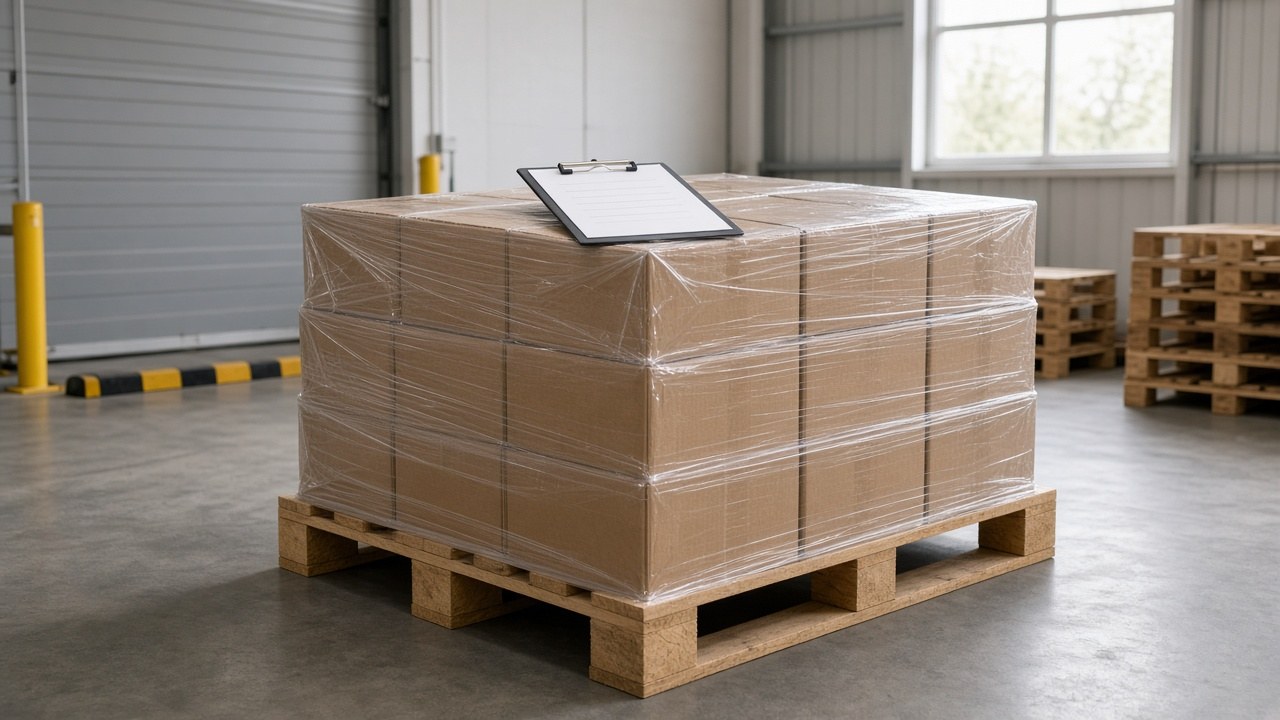
The difference is whether the remarks state a defect as fact. If the carrier notes damage or poor packing on receipt, for example “2 cartons torn”, the B/L becomes claused. Without such a remark it is clean.
For how a B/L works as a document of title, see bill of lading vs sea waybill.
How do UCP 600 and ISBP decide whether a B/L is clean?
UCP 600 Article 27 says a bank will only accept a clean transport document, meaning one with no clause or notation expressly declaring a defective condition of the goods or their packaging. It adds that the word “clean” need not appear, even if the credit requires the document to be “clean on board”.
ICC’s International Standard Banking Practice (ISBP) gives examples. “Packaging is not sufficient for the sea journey” expressly declares a defect. “Packaging may not be sufficient for the sea journey” only flags a possibility, so it does not. Deleting a printed word “clean” is not a declaration of defect either.
Which clauses do not make a B/L claused?
Clauses that allocate responsibility are not defect notations. UCP 600 Article 26 states that a transport document bearing clauses such as “shipper’s load and count” and “said by shipper to contain” is acceptable.
You see these most often on FCL containers that the shipper stuffs and seals. The loading difference is covered in FCL vs LCL.
What happens to an L/C payment with a claused B/L?
A claused B/L is a discrepancy, so payment can stall. Under UCP 600 Article 14, a bank has a maximum of five banking days following the day of presentation to examine documents, and under Article 16 it may refuse a non-complying presentation.
After a refusal the exporter has to ask the buyer to waive the discrepancy or present corrected documents. Either way, the money arrives later. The full L/C workflow is in letter of credit process.
How much can the delay cost? An example
This is an illustrative assumption, not market data. If USD 50,000 under an L/C arrives 10 days late because of a claused B/L, and you price your funding at 6% a year, the cost is 50,000 × 6% × 10/365 ≈ USD 82.
Real costs depend on your bank’s charges, your interest rate and how the buyer responds. The bigger risk is a gap in cash flow and a reopened negotiation with the buyer.
What should you check to get a clean B/L?
- Inspect cartons before loading for tears, wet spots or loose wrapping, and replace damaged ones.
- Pack to export standard and mark cartons correctly (shipping marks requirements).
- When the draft B/L arrives, read the remarks field first.
- Compare the B/L wording with the credit terms and settle any doubtful clause with the carrier or forwarder before issue.
FAQ
Does a clean B/L have to say “clean”?
No. UCP 600 Article 27 says the word need not appear, even if the credit requires a “clean on board” document.
Will “packaging may not be sufficient” get my documents refused?
Not under ISBP. It flags a possibility rather than expressly declaring a defect. “Is not sufficient” would be a declaration of defect.
Is “shipper’s load and count” a claused notation?
No. UCP 600 Article 26 accepts it. It allocates responsibility for loading and counting; it does not describe a defect.
Can I still get paid with a claused B/L?
Not automatically. Payment can go ahead if the buyer waives the discrepancy, but that decision sits with the buyer and the issuing bank.
Sources
- ICC, UCP 600 (Uniform Customs and Practice for Documentary Credits), Articles 14, 16, 26 and 27
- ICC, ISBP 821, Bill of Lading (E20, E21)
- Related: letter of credit vs T/T, Institute Cargo Clauses A, B and C
Related posts
Telex Release: Can You Get Cargo Without the Original B/L?
Yes. After a telex release, the carrier delivers without originals once every B/L is surrendered at origin. How should a letter of credit word it?
Letter of Credit vs T/T: Meaning and How to Choose
A letter of credit pays only if documents match. A wire transfer pays when the buyer sends funds. Compare timing, the 21-day rule, and discrepancy risk.

Letter of Credit: Issuance, Negotiation, Avoiding Discrepancies
A letter of credit is a bank promise to pay if documents match. This note covers issuance, presentation, negotiation, and how to avoid mismatches under UCP 600.

Letter of Indemnity in Shipping: When Do You Issue One?
An LOI lets you take cargo before the original bill of lading arrives. When carriers ask for one, who carries the liability, and what to check first.
Collaboration & consulting: silenseatrading@gmail.com
More in Export & Import Practice: Shipping & Incoterms · Tariffs & Customs