Korean War and North Korea: Context for Visitors
The Korean War’s legacy and North Korea’s rise explained for travelers and market visitors who need clear historical context without the jargon.
Contents
- Key takeaways
- The Korean Civil War: Unraveling the Complex History of Division and the Rise of North Korea.
- Origins of the Korean Civil War
- Outbreak of Korean Civil War
- Stalemate and Armistice of Korean Civil War
- The Rise of North Korea After Korean Civil War
- Ongoing Impacts and Contemporary Relations
- FAQ
- How did the Korean War start?
- How did the Korean War end?
- What ideology does North Korea follow?
Key takeaways
- The Korean War ran from 1950 to 1953 after the peninsula was divided along the 38th parallel at the end of World War II.
- North Korea invaded on 25 June 1950 and took Seoul within three days; the South held the Nakdong River line and counterattacked through Incheon.
- An armistice in 1953 created the DMZ, but no formal peace treaty was ever signed.
The Korean Civil War: Unraveling the Complex History of Division and the Rise of North Korea.
The Korean Civil War, which unfolded between 1950 and 1953, is a pivotal chapter in Korean history that left an indelible mark on the Korean Peninsula. This conflict resulted in the division of Korea into North Korea and South Korea, setting the stage for the establishment of the Democratic People’s Republic of Korea (North Korea) and the Republic of Korea (South Korea). In this blog post, we’ll delve into the intricacies of the Korean Civil War and explore the factors that led to the formation of North Korea.
Origins of the Korean Civil War
The roots of the Korean Civil War can be traced back to the end of World War II when Korea, then under Japanese rule, was liberated. The peninsula was subsequently divided along the 38th parallel, with the Soviet Union occupying the north and the United States occupying the south. This division laid the foundation for the ideological and political differences that would later erupt into conflict.
However, at this time, no Koreans could imagine a divided country, and they could freely move across the line.
Outbreak of Korean Civil War
In 1950, tensions reached a boiling point as North Korean forces, led by Kim Il-sung, launched a sudden invasion of South Korea under the codename ‘Operation Storm 224’ on June 25th. South Korea, caught off guard and unprepared for war, had even allowed its soldiers to return home for holidays and agricultural assistance.
The North Korean army proved unstoppable, swiftly capturing Seoul, the capital, within just three days. It appeared as though North Korea was on the verge of a complete conquest of the entire region. However, South Korea regrouped and established a defensive line along the Nakdong River. Despite initial setbacks, they successfully held the line without retreating.
This tenacious defense effort bought valuable time for the Korean army and its allies to regroup and plan a counteroffensive. Soon, they launched a successful counterattack through the strategically significant port city of Incheon.
Recognizing the severity of the situation, the international community, especially the United Nations, intervened to support South Korea. This intervention transformed the conflict into a multifaceted war involving various nations, including the United States, China, and the Soviet Union. The Korean War, with its complex web of alliances and geopolitical implications, had officially begun.
The Korean Civil War saw a complex web of alliances and geopolitical maneuvering. The United States supported South Korea, while China and the Soviet Union backed the North. The war showcased the ideological struggle between communism and capitalism, with the Korean Peninsula serving as a battleground for these global ideologies.
Stalemate and Armistice of Korean Civil War
The conflict reached a stalemate, and after years of intense fighting, an armistice was signed in 1953. This armistice established the Korean Demilitarized Zone (DMZ), a heavily fortified border that continues to divide North and South Korea to this day. However, a formal peace treaty was never signed, leaving the two Koreas in a state of unresolved tension.

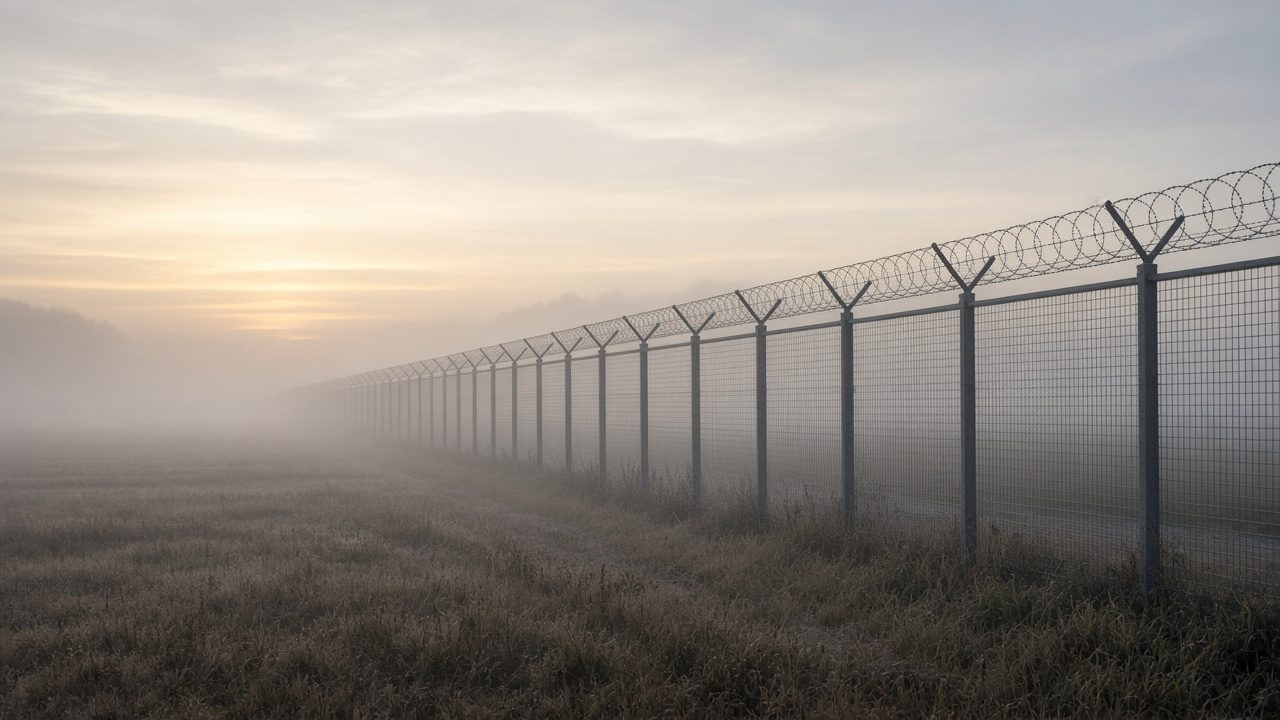
Dividing Line Between North and South Korea, know about the DMZ
The Rise of North Korea After Korean Civil War
With the establishment of the Democratic People’s Republic of Korea in the north, Kim Il-sung emerged as the leader, solidifying his regime through a cult of personality. North Korea adopted a socialist system with a focus on Juche, a state ideology emphasizing self-reliance. The nation became isolated from the international community, contributing to its enigmatic and secretive nature.
Ongoing Impacts and Contemporary Relations
The Korean Civil War continues to shape the geopolitics of the region. The divided Koreas maintain an uneasy truce, with occasional flare-ups of tension. Efforts for reunification persist, but significant challenges remain. Understanding the historical context is crucial for comprehending the complexities of present-day North Korea and its international relations.
The Korean Civil War left an enduring legacy that continues to influence the political, social, and economic landscapes of North and South Korea. As we navigate the intricate history of this conflict, we gain valuable insights into the origins of North Korea and the ongoing dynamics on the Korean Peninsula. By understanding the historical context, we can better appreciate the challenges and opportunities for diplomacy and peace in the region.
Korean Civil War is the one of the most important event in Korean history.
FAQ
How did the Korean War start?
On 25 June 1950 North Korean forces led by Kim Il-sung launched a sudden invasion of South Korea and captured Seoul within three days.
How did the Korean War end?
It reached a stalemate and an armistice was signed in 1953, establishing the DMZ. No formal peace treaty was signed.
What ideology does North Korea follow?
A socialist system focused on Juche, a state ideology emphasising self-reliance, under Kim Il-sung’s personality cult.
Related posts
Korea’s DMZ: The Dividing Line Explained
What the Korean Demilitarized Zone (DMZ) is, why it exists, and how the North–South dividing line shapes history visitors should understand.

Seoul Travel Guide: Where to Visit First
A practical Seoul travel guide to must-visit places—how to enjoy neighborhoods, landmarks, and local spots without overpacking your first itinerary.

Best Time to Travel to Korea by Season
A seasonal guide to the best time to visit Korea—spring blooms, autumn foliage, summer humidity, and winter travel trade-offs for planning trips.
K-ETA and Korea Entry Requirements (2026 Guide)
Do you need a K-ETA for Korea in 2026? How the temporary exemption works, what the free e-Arrival Card is, and how to avoid fake agency sites.
Collaboration & consulting: [email protected]
More in Korea Guide: Export to Korea: Market Guide