
Shopee & Amazon Export: CS and Logistics Reality
Can SMEs export fast via Shopee and Amazon? What launch agencies rarely say about customer service, logistics, and non-tariff barriers abroad.
Contents
- Key takeaways
- E-commerce exporting sounds like a jackpot
- But there’s a tiny problem
- The real barrier is non-tariff barriers, not tariffs
- Will a domestic e-commerce formula work overseas?
- Easy success is poison
- FAQ
- Can you really export quickly through Shopee or Amazon?
- Why is logistics so important for marketplace exports?
- What is a bigger barrier than tariffs?
- Will a domestic e-commerce success formula work overseas?
Key takeaways
- Selling abroad through Shopee or Amazon means exporting B2C or D2C on marketplace traffic, which looks fast and high-margin.
- Agencies promising a quick launch often leave out customer service and logistics, and without them the brand and the profit structure collapse.
- The real barrier to exporting is non-tariff barriers rather than tariffs, and a domestic e-commerce formula rarely works unchanged overseas.
Exporting overseas and entering foreign markets through Shopee and Amazon.
It’s a hook you hear a lot. These are posts you see and hear even more often these days. K-brand exports through Shopee, which covers Southeast Asian markets, and Amazon, the gateway to the dream market of the U.S.
Just listening to the pitch, it feels like you could achieve in an instant the overseas expansion that big companies struggle to achieve over months or years. At the same time, you’re probably worried. Is this… really possible?
E-commerce exporting sounds like a jackpot
Expanding overseas through e-commerce platforms like Shopee or Amazon presumably means exporting products B2C or D2C by using e-commerce traffic, rather than through traditional B2B trade.
Excellent!
Because of how e-commerce works, there’s no need to build a separate website or company profile, and skipping the distribution chain widens your margins. Overseas market entry achieved the moment a sale happens!
Isn’t that a jackpot?
Think about traditional overseas expansion: just finding the right partner takes at least six months even if you move fast, and sometimes several years.
But there’s a tiny problem
But there’s a small problem here. A very small one.
How are you going to handle CS? Oh, and how are you going to handle logistics?
Not long ago, a salesperson approached me without realizing I was a trader. He said he could get me onto U.S. Amazon and Southeast Asian Shopee right away. Naturally, he left those two things out completely. Even when I hinted at it, he didn’t catch on.
Companies claiming you can enter overseas markets and achieve exports in a short time through Shopee or Amazon often leave these two things out.
- Without solid CS, your brand can easily collapse before you even properly enter the market, let alone grow.
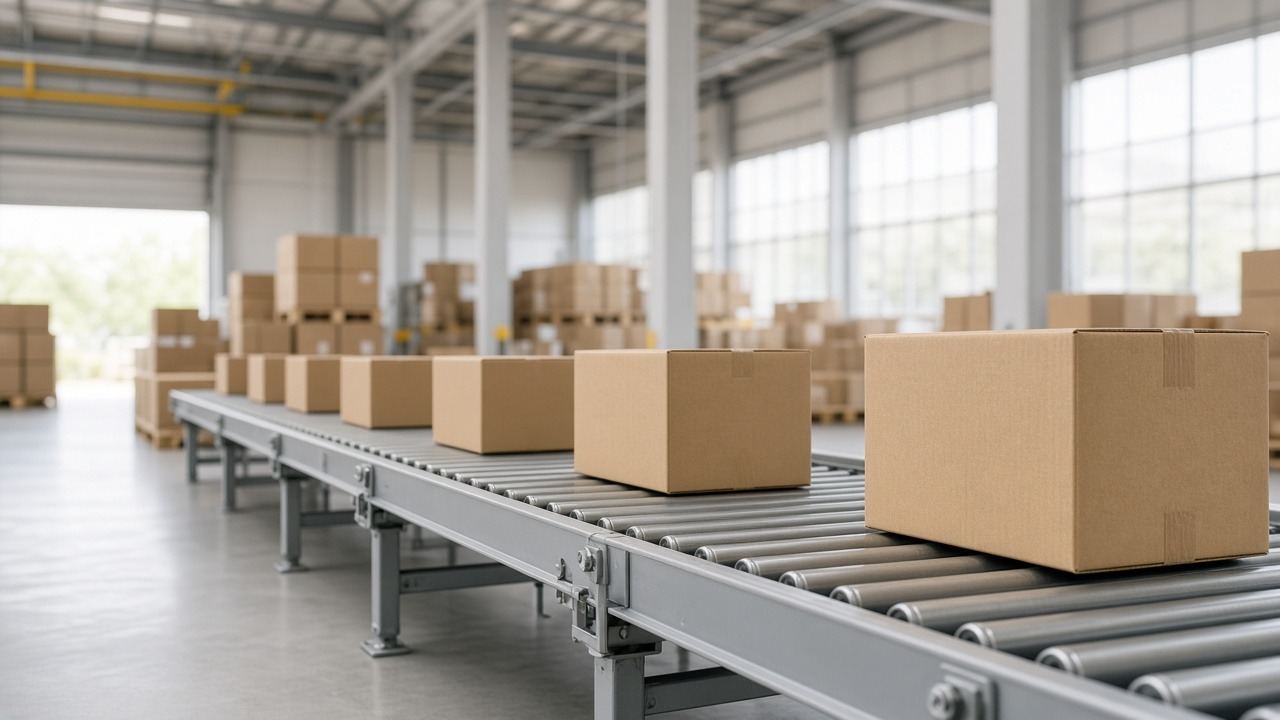
- Without solving logistics, building a profit structure is close to impossible. In the worst case, just when your product really starts selling, logistics problems can stop you from supplying it at all.
And yet they say nothing about it? It must mean CS and logistics are not their problem, and they don’t care.
The real barrier is non-tariff barriers, not tariffs
The whole world has been in an uproar over Trump’s tariffs for more than a year, but in trade the bigger problem is generally not tariffs but non-tariff barriers.
Not only visible, institutional non-tariff barriers, but also non-tariff barriers that are hard even to identify, are the biggest obstacles to entering overseas markets.
In other words, getting over these barriers is the core of exporting. Simply putting your product on the market may bring a small success in the short term, but in the long term what matters is building a proper, stable distribution structure. In that sense, a short-term all-in bet on e-commerce is a very risky idea.
Will a domestic e-commerce formula work overseas?
In Korea, as Coupang and Naver Smart Store took off, it became easier for individuals and sole proprietors to enter the market, and much easier to succeed.
But since you’ve had some results with e-commerce at home, you can succeed overseas with a similar strategy?
That’s a very complacent idea.
Depending on how you succeeded and what strategy you used, the same strategy might work overseas, but most will inevitably fail. Marketing is a concept that contains humanistic elements, and where the human and cultural environment is different, you have to approach it differently. The market gap created by these cultural factors is far wider than you think.
Easy success is poison
Easy success always turns into poison. Moving in hope of easy success is volunteering to drink poison.
There’s something I always say. Exporting is nothing more than B2B sales carried out across two borders.
You’re doing B2B sales, and you’ll trust a company that promises to make you successful without even checking your product, your price, or your market?
Good luck.
FAQ
Can you really export quickly through Shopee or Amazon?
Listing products can bring small short-term wins, but without customer service and logistics the brand can collapse before it is properly established.
Why is logistics so important for marketplace exports?
Without solved logistics you cannot build a profit structure, and in the worst case you cannot supply at all just as sales take off.
What is a bigger barrier than tariffs?
Non-tariff barriers, both visible regulatory ones and those that are hard to even identify.
Will a domestic e-commerce success formula work overseas?
Mostly not. Marketing has a cultural dimension, and markets with a different cultural environment need a different approach.
Related: SME export cost · Why attend trade fairs
Related posts

Why Exporters Should Still Attend Trade Fairs
Why exporters still need overseas trade fairs in the ecommerce era: face-to-face trust, visible capability, and buyer meetings that emails cannot replace.

How Much Does SME Exporting Really Cost?
An export agency owner’s honest take on what SMEs spend to go overseas—agency fees, trade fairs, outbound sales, and where budgets actually go.

How New Systems Can Destroy Your Business
Why rushed system rollouts hurt SMEs: adoption friction, process mismatch, and how to introduce tools without breaking day-to-day operations.

What Experience Really Means in Global Business
Rethinking “years of experience” in global business—why time alone is a weak signal and how real capability shows up across markets and roles.
Collaboration & consulting: [email protected]
More in Markets & Economy: Trade & Economy Briefing