
DAP vs DDP: Who Pays the Duties and How to Choose
Under DAP the seller delivers to the named place and the buyer pays import duties. Under DDP the seller clears import and pays duties. Incoterms 2020 compared.
Contents
- Key takeaways
- What does DAP mean, and who is responsible for what?
- What does DDP mean, and what extra duties does the seller take on?
- How do DAP and DDP compare on cost and risk? A worked example
- What are the common DAP and DDP mistakes?
- How do you choose between DAP and DDP in practice, and which documents matter?
- FAQ
- What is the biggest difference between DAP and DDP?
- What if the seller cannot clear the goods for import under a DDP contract?
- Who unloads the goods?
- What happened to DDU?
- Sources
DAP and DDP are both Incoterms under which the seller delivers the goods to a named place of destination. The key difference is who handles import customs clearance and pays the duties and taxes. Choose DAP if the buyer wants to manage import formalities and taxes; choose DDP if the buyer expects the goods delivered with all duties paid. In both cases risk transfers when the goods are ready for unloading on the arriving means of transport, and unloading stays with the buyer.
Key takeaways
- Under DAP (Delivered at Place) the seller bears transport and risk to the named destination, while the buyer handles import clearance and pays duties.
- Under DDP (Delivered Duty Paid) the seller also completes import clearance and pays all duties and taxes.
- Unloading is the buyer’s job under both terms, and DDP may be restricted by destination-country rules on foreign importers.
What does DAP mean, and who is responsible for what?
DAP stands for Delivered at Place under Incoterms 2020. The seller delivers when the goods are placed at the buyer’s disposal on the arriving means of transport, ready for unloading at the named place (buyer’s warehouse, terminal, airport, and so on). At that point risk and further costs pass to the buyer.
The seller handles export clearance and all costs and risks of carriage to the named place. The buyer performs import clearance, pays import duties, VAT or similar taxes, and unloads the goods. Always name the place precisely, for example “DAP Buyer’s Warehouse, 123 Main Street, City, Country, Incoterms 2020”. For all 11 rules see the Incoterms 2020 summary.
What does DDP mean, and what extra duties does the seller take on?
DDP means Delivered Duty Paid and places the heaviest obligations on the seller. The seller must clear the goods for both export and import, pay any duties, carry out all customs formalities, and then place the goods at the buyer’s disposal ready for unloading at the named destination.
In practice this can be difficult because some countries restrict foreign companies from acting as importer of record. Sellers often need a local agent or importer; if that is not feasible, switching to DAP is safer. The seller must also price in duty rates, possible inspections, and agent fees.
How do DAP and DDP compare on cost and risk? A worked example
DAP and DDP split the same way until import clearance: under DAP the buyer pays import duties and taxes, under DDP the seller does. That shifts both cost and risk onto the seller under DDP.
| Item | DAP | DDP |
|---|---|---|
| Carriage to named place | Seller | Seller |
| Export clearance | Seller | Seller |
| Import clearance, duties and taxes | Buyer | Seller |
| Risk transfer | On arriving vehicle, ready to unload | On arriving vehicle, cleared for import and ready to unload |
| Unloading | Buyer | Buyer |
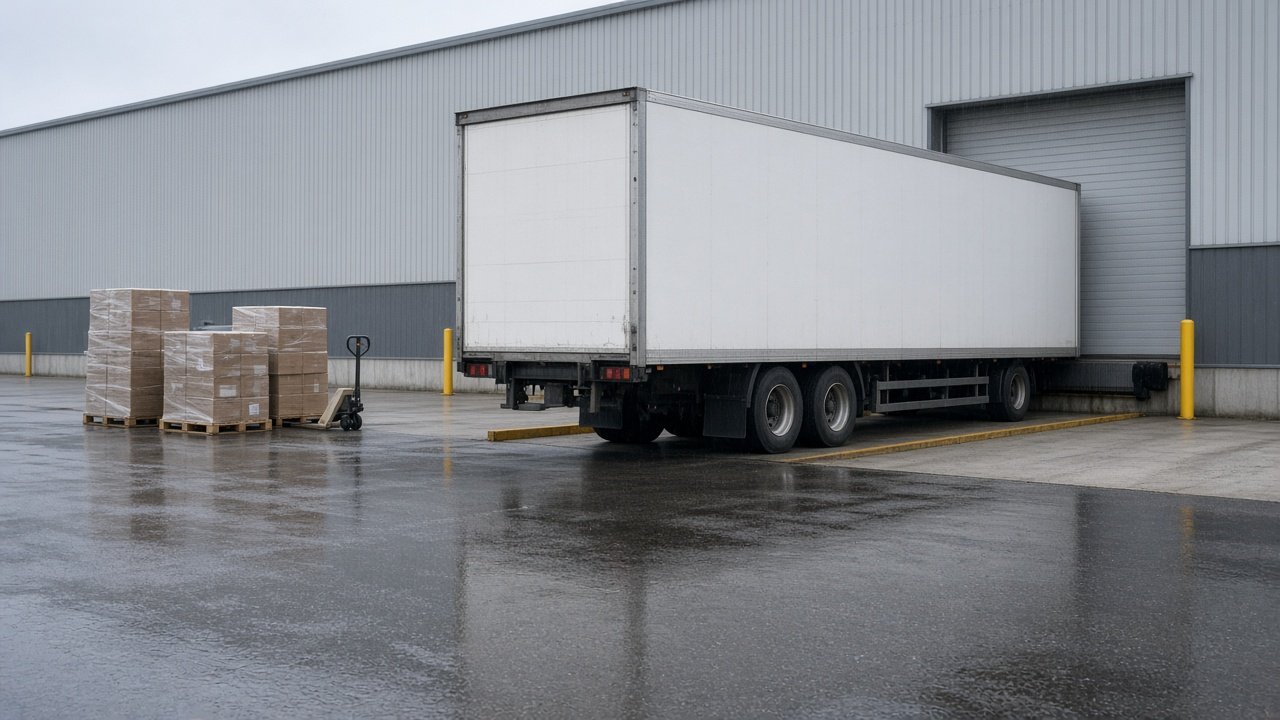
Example: contract value USD 10,000, destination duty rate 5%, VAT 10%. Under DAP the buyer pays the USD 500 duty plus VAT calculated on the taxable value. Under DDP the seller must build those amounts into the selling price, which raises the seller’s cost and risk. Always verify actual rates and the taxable value with the destination customs authority and the commercial invoice.
What are the common DAP and DDP mistakes?
A frequent error is naming the destination too vaguely (“DAP destination”), which leads to disputes over cost and risk. Another is agreeing to DDP when destination law prevents a foreign seller from clearing the goods for import, so check regulations and local-agent options first. A third is assuming the seller unloads: under both DAP and DDP unloading is the buyer’s responsibility, and DPU (Delivered at Place Unloaded) is the term to use if the seller must unload. Finally, mismatched wording on the commercial invoice causes customs problems.
How do you choose between DAP and DDP in practice, and which documents matter?
Choose DAP when the buyer knows local customs well and wants to recover import VAT itself. DDP suits B2C sales or buyers who expect a fully duty-paid price, but the seller must weigh regulatory, rate, and agency risks carefully. Write the term clearly as “DAP [named place], Incoterms 2020” or “DDP [named place], Incoterms 2020” on the contract and commercial invoice, and keep amounts and terms consistent. For invoice and packing-list practice see Commercial Invoice vs Packing List.
FAQ
What is the biggest difference between DAP and DDP?
Who handles import customs clearance and pays the duties and taxes: the buyer under DAP, the seller under DDP. The basic delivery structure is otherwise similar.
What if the seller cannot clear the goods for import under a DDP contract?
If destination rules bar a foreign seller from acting as importer, DDP cannot be fulfilled. Confirm the rules in advance, appoint a local importer, or change the term to DAP.
Who unloads the goods?
The buyer unloads under both DAP and DDP. If the seller must also unload, use DPU.
What happened to DDU?
Delivered Duty Unpaid was removed in Incoterms 2010 and its content was absorbed into DAP. Use DAP under the current Incoterms 2020 rules.
Sources
Related reading: Incoterms 2020 summary, Commercial Invoice vs Packing List, Proforma Invoice vs Commercial Invoice
Related posts
Incoterms 2020: Risk and Cost Points of All 11 Rules
All 11 Incoterms 2020 rules by where risk passes and who pays what, common mistakes with container cargo, EXW and DDP, and the Incoterms 2030 timeline.

ETD vs ETA in Shipping: How Do You Read the Schedule?
ETD is the planned departure from the loading port, ETA the planned arrival at discharge. Both are estimates, so how do they differ from ATD and ATA?

Air Volumetric Weight: Which Weight Sets Your Freight Rate?
Air freight is billed on the higher of actual and volumetric weight. See the IATA ÷6000 formula, a worked example and the courier ÷5000 rule.

HBL vs MBL: Which Bill of Lading Is Yours?
A house bill comes from your forwarder, a master bill from the ocean carrier. How each works in LCL and FCL, which number to track, and surrender tips.
Collaboration & consulting: contact@silenseatrading.com
More in Export & Import Practice: Tariffs & Customs · Trade & Economic Glossary