
VGM Meaning and Submission: Container Verified Gross Mass Guide
VGM is the verified gross mass of a packed container. See the two SOLAS methods, Korea's ±5% tolerance, how to submit before the cut-off, and a worked example.
Contents
- Key takeaways
- What does VGM mean?
- What are the two verification methods?
- What are Korea’s VGM rules and tolerance?
- How do you submit a VGM?
- How is VGM calculated under Method 2? An example
- What are the common VGM mistakes?
- FAQ
- What happens if I do not submit a VGM?
- Which method should I choose?
- Can my freight forwarder submit the VGM for me?
- What if my weight is outside the tolerance?
- Sources
When you ship a container overseas, you must verify and declare its total weight in advance, or the vessel may refuse to load it. VGM, or Verified Gross Mass, is that verified total weight. It became mandatory worldwide on 1 July 2016 under an amendment to the IMO’s SOLAS Convention, and Korea applies it through the Ship Safety Act and a Ministry of Oceans and Fisheries notice. Knowing the definition, the two methods, and the deadlines helps exporters avoid delays and extra costs.
Key takeaways
- The shipper named on the bill of lading must submit the verified gross mass to the carrier and terminal in advance; without it, the container will not be loaded.
- Method 1 weighs the packed and sealed container on certified equipment; Method 2 adds up the cargo, packaging, and securing materials, then adds the container’s tare weight.
- In Korea the tolerance is ±5% of the total weight, and in practice you must submit before the carrier’s VGM cut-off.
What does VGM mean?
VGM is the verified total weight of a container after the cargo is loaded and all packaging and securing materials are in place. It includes the goods, pallets, dunnage, strapping, and the empty container’s tare weight printed on the door. This is different from the cargo weight usually shown on the bill of lading, which normally covers only the goods.
The rule exists to prevent unstable ships, collapsed container stacks, and injuries caused by wrong weight declarations. It comes from the 2016 amendment to SOLAS Chapter VI, Regulation 2, and detailed guidance is in IMO circular MSC.1/Circ.1475. See the IMO page on VGM for the official text.
Korea adopted the requirement through the Ship Safety Act and a Ministry of Oceans and Fisheries notice. For related paperwork, see our post on bill of lading versus sea waybill.
What are the two verification methods?
SOLAS allows two methods.
Method 1 means weighing the fully packed and sealed container on calibrated, certified equipment such as a weighbridge. It can be done at a terminal or an external weighing station, and it is the most reliable option.
Method 2 means weighing every package, pallet, and piece of securing or protective material that goes into the container, adding them up, and then adding the container’s tare weight. It is allowed only when the shipper runs a weighing and record-keeping system that meets the authority’s requirements, so it suits companies with solid internal processes.
In both cases the figure must be signed by an authorized person for the shipper. Who handles VGM also depends on how the container is shared, as explained in FCL versus LCL.
What are Korea’s VGM rules and tolerance?
Under the Korean notice, the declared gross mass must be within ±5% of the actual total weight. If it is outside that range, or no VGM is submitted at all, the master can refuse to load the container. The VGM must also never exceed the container’s maximum gross mass.
The figure must reach the carrier early enough to be used in the ship’s stowage plan. In practice, carriers print their VGM cut-off on the booking confirmation, and submitting well before it is the safest approach. The shipper normally pays for weighing and submission. Deadlines can change, so check the Ministry of Oceans and Fisheries and your carrier’s notice.
How do you submit a VGM?
Submission usually goes through the carrier’s online portal, EDI (the VERMAS message), or your freight forwarder. You typically need the booking number, container number, VGM figure and unit (kg or lbs), the method used (1 or 2), and the name of the authorized signatory. Formats vary by carrier, so check the booking confirmation.
Even when a forwarder sends the data, responsibility stays with the shipper on the bill of lading. Once accepted, the figure goes into the stowage plan. Late or missing data can cause the container to miss the vessel, roll to the next sailing, or incur storage and re-weighing charges.
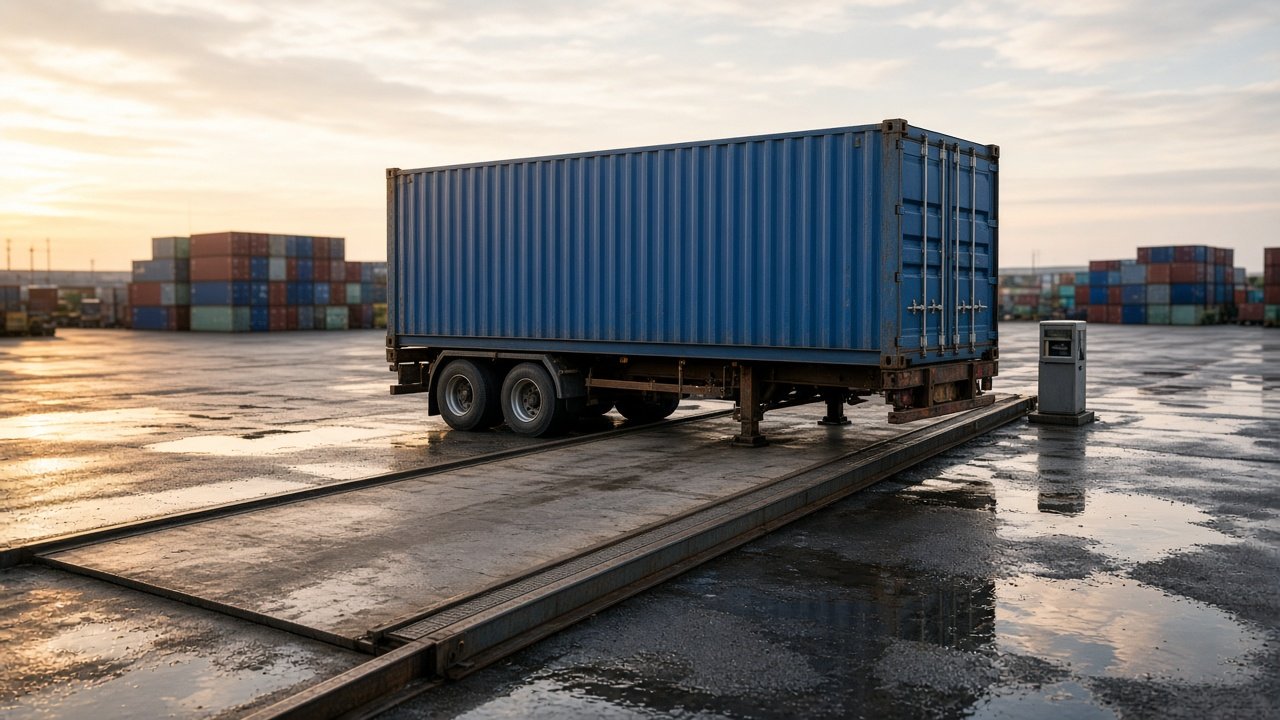
How is VGM calculated under Method 2? An example
Here is a simple Method 2 example:
- Cargo net weight: 10,000 kg
- Packaging, pallets, and securing materials: 500 kg
- Container tare weight: 2,200 kg (as marked on the door)
VGM = 10,000 + 500 + 2,200 = 12,700 kg
| Item | Weight (kg) |
|---|---|
| Cargo | 10,000 |
| Packaging and securing | 500 |
| Tare | 2,200 |
| Total VGM | 12,700 |
This figure must match the actual weight within ±5% (roughly 12,065 to 13,335 kg) and must not exceed the container’s maximum gross mass. In real operations every component must be weighed accurately, and the tare weight must come from the specific container you use.
What are the common VGM mistakes?
The most common mistake is copying the bill of lading cargo weight into the VGM field, which leaves out the tare and packaging. Missing the cut-off and rushing to a weighbridge at the last minute is another frequent cause of delay. Using Method 2 without a proper system, or entering rough estimates, also leads to refusals. If a correction is needed after submission, tell the carrier right away.
FAQ
What happens if I do not submit a VGM?
The master may refuse to load the container. The terminal may weigh it for you, but the cost and delay fall on the shipper, and the container may roll to the next sailing.
Which method should I choose?
Method 1, weighing the packed container, is safer for most smaller shippers. Companies with reliable weighing and record-keeping can use Method 2.
Can my freight forwarder submit the VGM for me?
Yes, forwarders and carriers often transmit it, but the legal duty stays with the shipper on the bill of lading. Give them accurate figures and get confirmation that the submission went through.
What if my weight is outside the tolerance?
Loading can be refused, so arrange a re-weigh or send a corrected declaration right away. Check both the ±5% limit and the container’s maximum gross mass.
Sources
- IMO, Verification of the gross mass of a packed container
- IMO MSC.1/Circ.1475, Guidelines regarding the verified gross mass of a container carrying cargo
- Ministry of Oceans and Fisheries, Korea, Ship Safety Act and notice on container gross mass verification
Related: FCL vs LCL, Bill of lading vs sea waybill, DAP vs DDP
Related posts

ETD vs ETA in Shipping: How Do You Read the Schedule?
ETD is the planned departure from the loading port, ETA the planned arrival at discharge. Both are estimates, so how do they differ from ATD and ATA?
What Is THC? Terminal Handling Charges and Who Pays
THC explained: origin vs destination terminal handling charges, who pays under each Incoterms 2020 rule, and how to check THC on a freight quote.
20ft vs 40ft vs 40HC: Container Sizes, Payload, Load Math
20ft vs 40ft vs 40HC containers: inside sizes, CBM and max payload from carrier specs, plus how to choose by cargo density with worked examples.

Bill of Lading vs Sea Waybill: When to Surrender
A bill of lading is a document of title; a sea waybill is not. Compare original, surrender, and waybill release, and when to skip couriering originals.
Collaboration & consulting: contact@silenseatrading.com
More in Export & Import Practice: Tariffs & Customs · Trade & Economic Glossary