
Korean Restaurant Etiquette: How Do You Order and Pay?
Korean restaurant basics for first-timers: getting seated, calling staff, ordering by portion, sharing side dishes, paying at the counter, and no tipping.
Contents
In most casual Korean restaurants you sit down, call staff when you are ready to order, share the side dishes, and pay at the counter on your way out. Tipping is not customary, so the price on the menu is the price you pay. A few habits, such as how you use your chopsticks and when you start eating, make meals with Korean hosts go more smoothly.
Key takeaways
- Use the call button on the table if there is one; otherwise catch a staff member’s attention and say “yeogiyo” (over here).
- Side dishes (banchan) are shared, and you should never leave chopsticks standing upright in rice.
- Pay at the front counter in most casual places; tipping is not customary in Korea.
Getting seated and ordering
In many casual restaurants you simply walk in and take a free table, or staff ask how many people you are and point you to one. Some places, especially in busy areas, use an ordering kiosk or a tablet on the table, and a few ask you to pay when you order.
Once seated, look for a small call button on the table or wall. Pressing it alerts staff. If there is no button, raise your hand slightly and say “yeogiyo” or “jeogiyo” (excuse me). Calling out like this is normal, not rude, and staff may otherwise wait for your signal.
To order, point to the dish on the menu or show it in a translation app, then say or show how many. Some dishes, especially grilled meat, are sold per portion (inbun), and some restaurants set a minimum number of portions per table. If you are dining alone, check this before you sit down. Water is often self-service, and cutlery is often kept in a drawer built into the table.
During the meal
Banchan arrive with the main dishes and are meant to be shared. Many restaurants refill basic side dishes on request, while some ask you to serve yourself from a refill station. If you avoid meat, fish or pork, see vegetarian, vegan and halal food in Korea, because many side dishes use fish sauce or anchovy stock.
Basic table manners from Seoul’s official tourism guide:
- Start eating once the eldest person at the table begins.
- Use a spoon for rice and soup and chopsticks for side dishes.
- Do not leave chopsticks or a spoon standing upright in a bowl of rice.
- Avoid touching food with your fingers, except when wrapping food in lettuce or other leaves.
- Put your chopsticks and spoon back in their original position when you finish.
With stews and grilled meat, food is often cooked at the table and shared. Take portions onto your own small plate or into your bowl rather than eating straight from the shared pot.
Paying
In most everyday restaurants you pay at the front counter when you leave. Take the bill if one was left on your table, or simply tell the cashier your table. Cards are widely accepted, but carry a little cash for small or traditional places. If you want to ask for the bill, “gyesan haejuseyo” means “the bill, please.”
Tipping is not customary in Korea. According to Seoul’s official tourism guide, some people may accept a tip and some may refuse it. If you leave money on the table, staff may return it.
Worked example. Two people each order a stew listed on the menu at 10,000 won, plus one shared side order listed at 8,000 won. The total at the counter is 10,000 × 2 + 8,000 = 28,000 won. There is no tip to add on top, so each person pays 14,000 won if you split it evenly.
For dishes worth trying, see Korean foods to try on your first trip. Market stalls follow similar habits; see Seoul’s traditional markets.
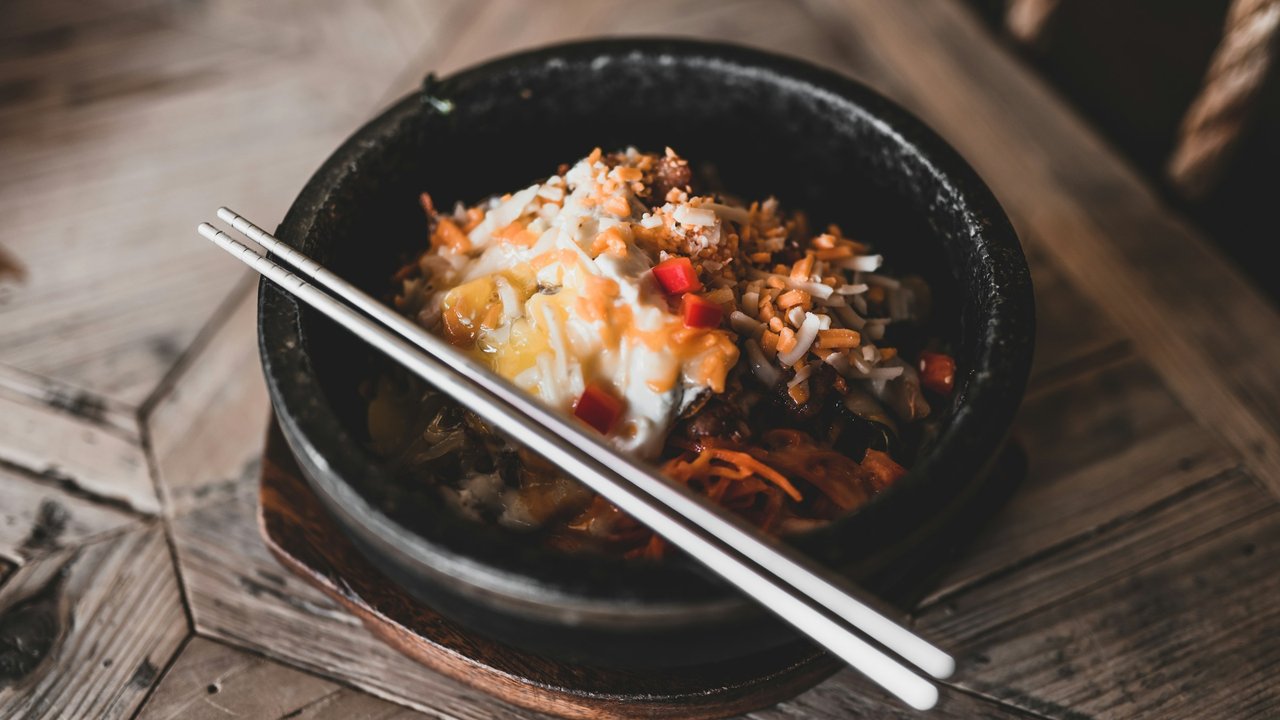
Dining with Korean business partners
At a business dinner, the host often orders for the table and pays. Let the most senior person start eating first, and pour drinks for others rather than for yourself. If you want to return the favor, offer to host the next meal instead of reaching for the bill.
Common mistakes
- Waiting for a server to come over instead of using the call button or saying “yeogiyo.”
- Leaving a tip on the table.
- Eating directly from shared dishes instead of using your own plate or bowl.
- Assuming every dish can be ordered as a single portion; some have a minimum.
FAQ
Do I tip in Korean restaurants?
No. Tipping is not customary in Korea, and the price on the menu is what you pay. Some staff may refuse a tip if you offer one.
How do I call staff over?
Press the call button if your table has one. Otherwise raise your hand slightly and say “yeogiyo” or “jeogiyo.”
Can I eat alone at a Korean barbecue restaurant?
Sometimes. Many barbecue places require a minimum of two portions per table, so check the menu or ask before you sit down.
Where do I pay?
Usually at the front counter as you leave. Some places with kiosks or tablets ask you to pay when you order.
Sources
- Seoul Tourism Organization, Visit Seoul official guide, Etiquette: https://english.visitseoul.net/essential-Info-article/Etiquette/ENN000393
- Korea Tourism Organization, VISITKOREA, About Korean Food (Visiting a Korean restaurant): https://english.visitkorea.or.kr/svc/contents/contentsView.do?vcontsId=140727
Last checked: 2026-10-27
Related posts
Korean Jjimjilbang Etiquette: What Should First-Timers Know?
A step-by-step guide to using a Korean jjimjilbang: check-in, bathing rules, shared sauna rooms, overnight stays, tattoos and etiquette for first-timers.
Vegetarian, Vegan & Halal Food in Korea: What to Eat?
How vegetarian, vegan and halal travelers can eat well in Korea: official Muslim-friendly categories, temple food, what to ask for, and how to check.
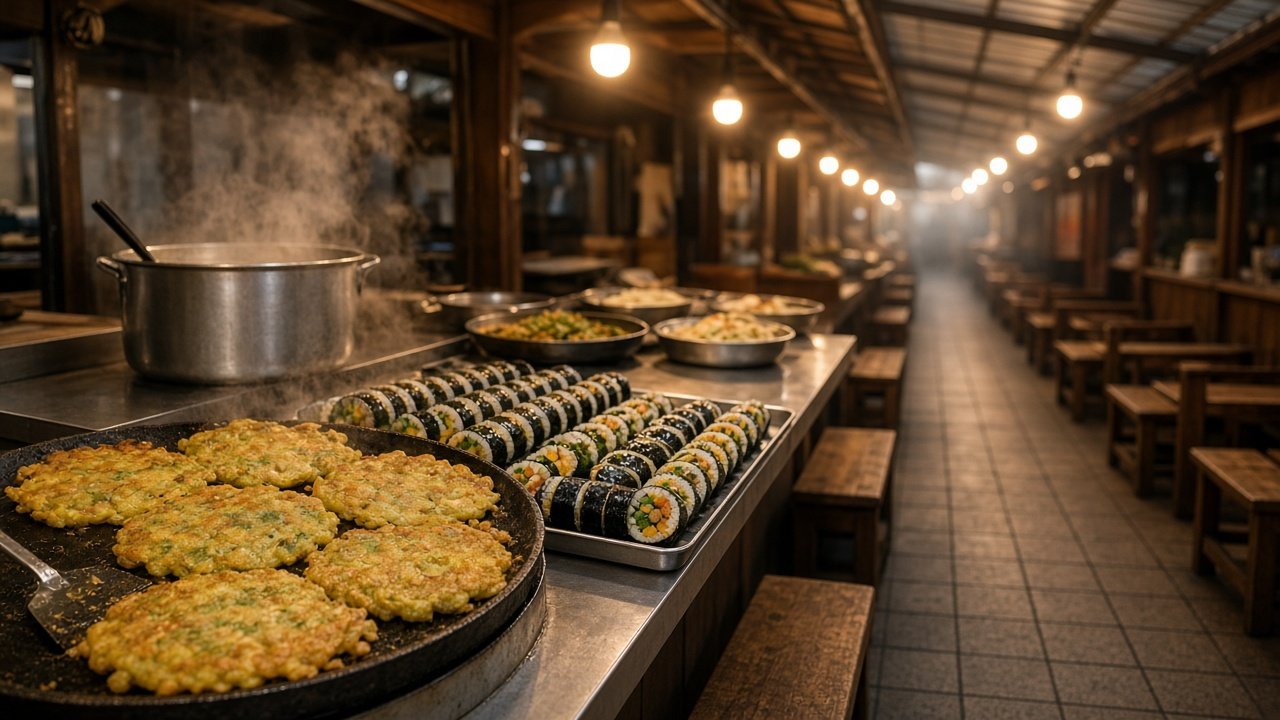
Seoul Traditional Markets: Which One Should You Visit First?
A first-timer's guide to Seoul's traditional markets, including Gwangjang and Namdaemun: what each is best for, opening hours, food, cash and etiquette.

Korea Travel Apps: Which Should You Install Before You Fly?
The apps that make a first trip to Korea easier: local map apps, taxi apps, translation, and official train booking, plus what to set up before you fly.
Collaboration & consulting: silenseatrading@gmail.com
More in Korea Guide: Export to Korea: Market Guide