
Hormuz Tanker Rates: What Changes? | World Briefing 10/22
Goldman Sachs puts average crude freight above $20 a barrel. Gulf exports beat prewar levels via bypass routes, while container rates and yttrium tighten.
Contents
- Key takeaways
- Top stories
- Why have crude tanker rates jumped so much?
- How are Middle East oil exports rising with the strait restricted?
- How much have container rates risen?
- What does Japan’s yttrium shortage signal for trade?
- What it means for traders
- FAQ
- Middle East oil exports have recovered, so why aren’t freight rates falling?
- Do crude tanker rates affect container cargo?
- Does Japan’s yttrium shortage matter for companies outside Japan?
- Press coverage and sources
Shipping crude by sea has become far more expensive in a year. Goldman Sachs estimates the average global freight rate for oil has risen to more than $20 a barrel from $3 last year. Bypass routes have pushed Middle East oil exports above prewar levels, but higher container rates and a yttrium squeeze in Japan are adding pressure at the same time.
Key takeaways
- Goldman Sachs: average crude freight above $20/bbl (vs $3 last year), Middle East routes at $35/bbl. The rise includes a $7/bbl Hormuz war-risk premium, $4/bbl for fuel and $4/bbl for ship-to-ship (STS) transfers in the Gulf of Oman.
- Kpler: Middle East oil exports averaged 24.6 million barrels a day in the week to 18 October, above the prewar average of 23.3 million. Tanker crossings of the strait, however, were 14 on 18 October against a prewar 50 a day.
- Jefferies: global container freight rates are up about 130% since February 2026.
- Argus: yttrium oxide costs about $1,150/kg outside China, 179 times its level two years ago, versus about $9/kg inside China.
Top stories
Why have crude tanker rates jumped so much?
Goldman Sachs blames the inefficient shipping patterns created by the Hormuz crisis. The rise in average freight includes a Hormuz war-risk premium ($7 a barrel), higher fuel costs ($4) and the cost of ship-to-ship transfers in the Gulf of Oman ($4). Tankers tied up in that shuttle service leave fewer vessels for other routes.
Supertanker (VLCC) rates on the Gulf to East Asia run topped $1.4 million a day in early October, a record. The VLCC shortage has also lifted demand and rates for smaller Suezmax and Aframax tankers. Goldman added that higher freight for longer is an upside risk to its baseline forecast of $90 a barrel for Brent at year-end.
Brent December futures settled up 3 cents at $108.82 on 21 October (local time), while WTI December fell 67 cents to $97.15. Earlier tanker attacks are covered in the 10/21 briefing.
Sources: OilPrice.com (citing Goldman Sachs), Newsquawk crude wrap 10/21
How are Middle East oil exports rising with the strait restricted?
Through bypass routes such as Red Sea and Gulf of Oman terminals and ship-to-ship transfers. Kpler data show Middle East oil exports averaged 24.6 million barrels a day in the week to 18 October, above the prewar average of 23.3 million.
The strait itself is still far from normal. Kpler put the 7-day average of Hormuz clearance at 14.1 million barrels a day, about 82% of the prewar baseline of 17.1 million, with 14 tanker crossings on 18 October against a prewar 50 a day. The UK Maritime Trade Operations (UKMTO) recorded at least 12 attacks last week.
Sources: Kpler media briefing 10/20 (PDF), Middle East Eye (citing Kpler and UKMTO), Financial Times
How much have container rates risen?
A Jefferies report says global container freight rates have risen about 130% since February 2026. Its data show rates moving from roughly $2,000–2,500 in February to about $4,000–4,500 in October. Jefferies cites Middle East tensions as the cause and calls shipping lines’ possible return to the Suez Canal a key thing to watch.
Source: India Shipping News (citing Jefferies)
What does Japan’s yttrium shortage signal for trade?
It shows China’s rare earth export controls now squeezing Japanese manufacturing supply chains. The Financial Times reported on 20 October that Japan, warning its yttrium supplies could run out within months, has asked the US government and companies to press China to ease the controls. Yttrium is used in heat-resistant engine coatings and chipmaking equipment.
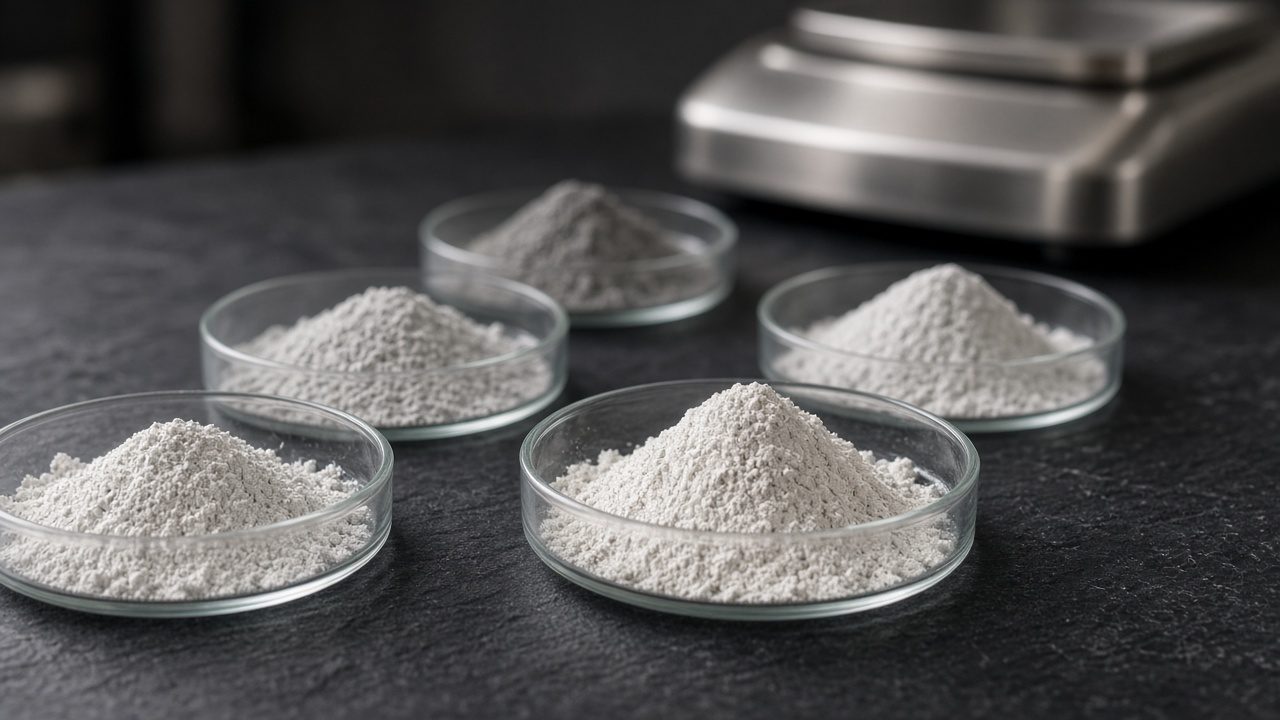
Argus assesses yttrium oxide at about $1,150/kg outside China, 179 times its price two years ago, against about $9/kg inside China. Citing Chinese customs data, East Asia Brief reports that China’s yttrium oxide exports to Japan fell 97.7% to 14.1 tonnes in January–May 2026, from 605.3 tonnes a year earlier. Yttrium is one of seven medium and heavy rare earths China placed under export licensing in April 2025.
Sources: Financial Times, Yonhap (citing FT, Korean), East Asia Brief
What it means for traders
- Freight: Higher crude freight can feed through fuel costs into ocean and air fuel surcharges. When you get quotes, check the surcharge reference date and change terms.
- Insurance: For cargo on Middle East routes or moving through transfers, confirm war-risk cover before shipment (see ICC A, B and C differences).
- Schedules: Rerouted or transshipped cargo can arrive late, so build slack into delivery dates.
- Materials: If you use parts containing rare earths, check inventory and alternative suppliers, along with the origin and export-control status of imported parts (see HS code lookup and classification).
- Contracts: While freight moves fast, recheck who pays freight under your Incoterms and any freight adjustment clause (see Incoterms 2020 summary).
Check now: freight adjustment and war-risk clauses in contracts, expected arrival dates for rerouted cargo, and inventory of rare-earth-related parts.
FAQ
Middle East oil exports have recovered, so why aren’t freight rates falling?
Volumes are up, but bypass routes and transfers make voyages longer and less efficient. Goldman Sachs says war-risk premiums, fuel and Gulf of Oman transfer costs have lifted average freight, and tankers tied up in transfers keep vessel supply tight.
Do crude tanker rates affect container cargo?
Not directly, but they can through fuel costs and surcharges. Jefferies estimates global container freight rates are up about 130% since February 2026.
Does Japan’s yttrium shortage matter for companies outside Japan?
It can, indirectly, if you source yttrium-containing parts or materials from Japanese suppliers. Ask suppliers about their supply plans early and review inventory and alternative sources.
Press coverage and sources
- https://oilprice.com/Latest-Energy-News/World-News/Goldman-Sachs-Warns-of-New-Oil-Price-Shock-as-Tanker-Rates-Soar.html (OilPrice.com, Goldman Sachs freight analysis)
- https://www.newsquawk.com/headlines/crude-wrap-wti-z6-settles-usd-067-lower-at-9715bbl (Newsquawk, 10/21 Brent and WTI settles)
- https://marketing.kpler.com/hubfs/Media%20Briefings%20pdfs/Kpler%20media%20briefing%2020%20Oct%202026.pdf (Kpler media briefing, 20 Oct)
- https://www.middleeasteye.net/live-blog/live-blog-update/gulf-exports-more-oil-it-did-iran-war-despite-surge-hormuz-attacks (Middle East Eye, citing Kpler and UKMTO)
- https://www.ft.com/content/509c0ecf-625e-4473-96cf-e249edb7c86e (Financial Times, Middle East oil exports)
- https://indiashippingnews.com/export-import/global-container-freight-prices-surge-130-since-february-amid-middle-east-tensions-jefferies/ (India Shipping News, Jefferies container rates)
- https://www.ft.com/content/ebd3244a-9120-4773-b55f-41df77f60c93 (Financial Times, Japan yttrium)
- https://www.yna.co.kr/view/AKR20261020116800009 (Yonhap, citing FT)
- https://eastasiabrief.com/semiconductors/japan-seeks-us-help-china-yttrium-curbs-metal-runs-830 (East Asia Brief, citing Chinese customs data)
Related posts

Hormuz Tanker Damage: What Changes? | World Briefing 10/23
Iranian TV reports 7 tankers hit in Hormuz; Brent nears a 5-month high. Gulf-Asia crude freight tops $37/bbl and US-China tariff cut dates are still unset.
Hormuz Tanker Attacks: What Changes? | World Briefing 10/21
Tanker attacks in Hormuz continue, yet Brent settled at $108.79 on US-Iran talk hopes. What higher tanker and container rates mean for shippers.
Hormuz Flows at 68%: What Changes? | World Briefing 10/17
Hormuz oil flows sit at 68% of normal, supertanker rates ease from records and the US-China truce is extended. What changes for your costs?
China Exports, US CPI: What Changes? | World Briefing 10/15
China's September exports surged and US inflation rose, while Hormuz attacks cut oil flows. What this mix means for prices, rates and your shipping costs.
Collaboration & consulting: contact@silenseatrading.com
More in Markets & Economy: Global Sales & Market Research