
Korea Travel Guide
K-ETA and Korea Entry Requirements (2026 Guide)
Do you need a K-ETA for Korea in 2026? How the temporary exemption works, what the free e-Arrival Card is, and how to avoid fake agency sites.
Do you need a K-ETA for Korea in 2026? How the temporary exemption works, what the free e-Arrival Card is, and how to avoid fake agency sites.
AREX Express, All-Stop train, airport bus or taxi from Incheon Airport to Seoul: approximate times, fares and which one fits your hotel and arrival time.
How foreign cards, cash exchange, Global ATMs and T-money transit cards work for visitors to Korea, plus the fee traps to avoid on your first day.
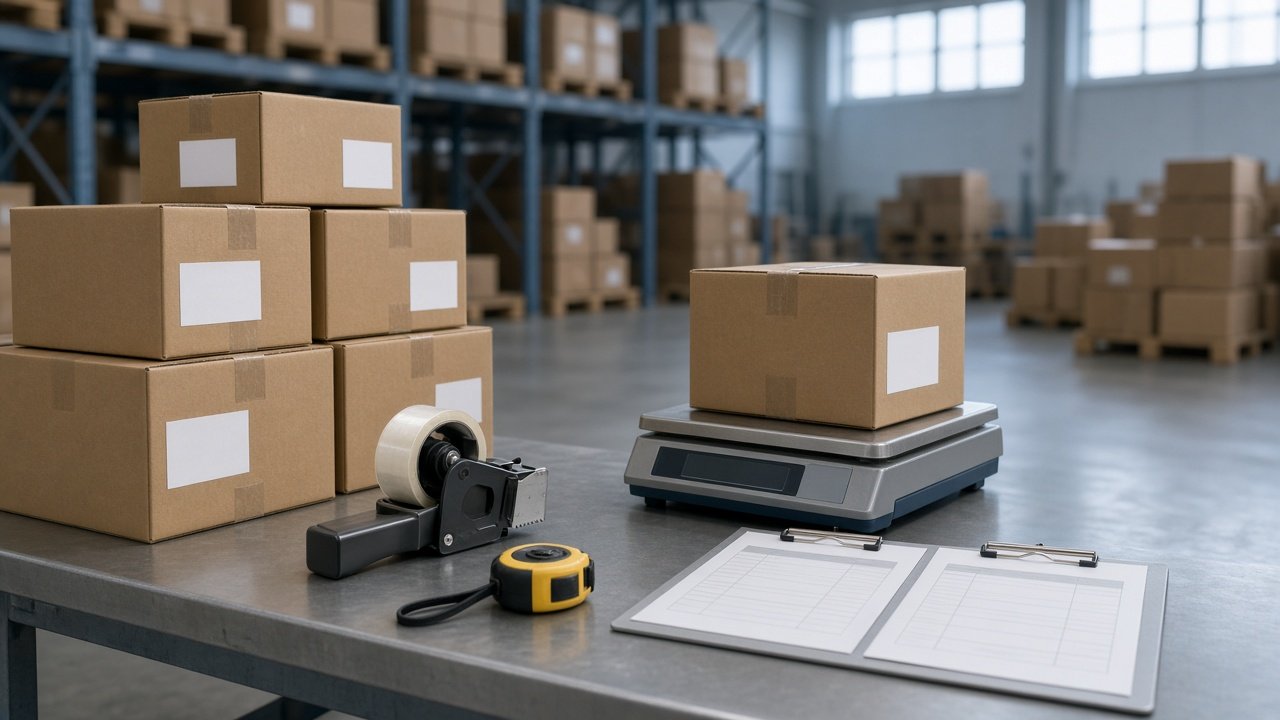
An invoice proves price and terms; a packing list proves cartons and weights. Here is the difference and the fields Korea Customs and 19 CFR 141.86 expect.
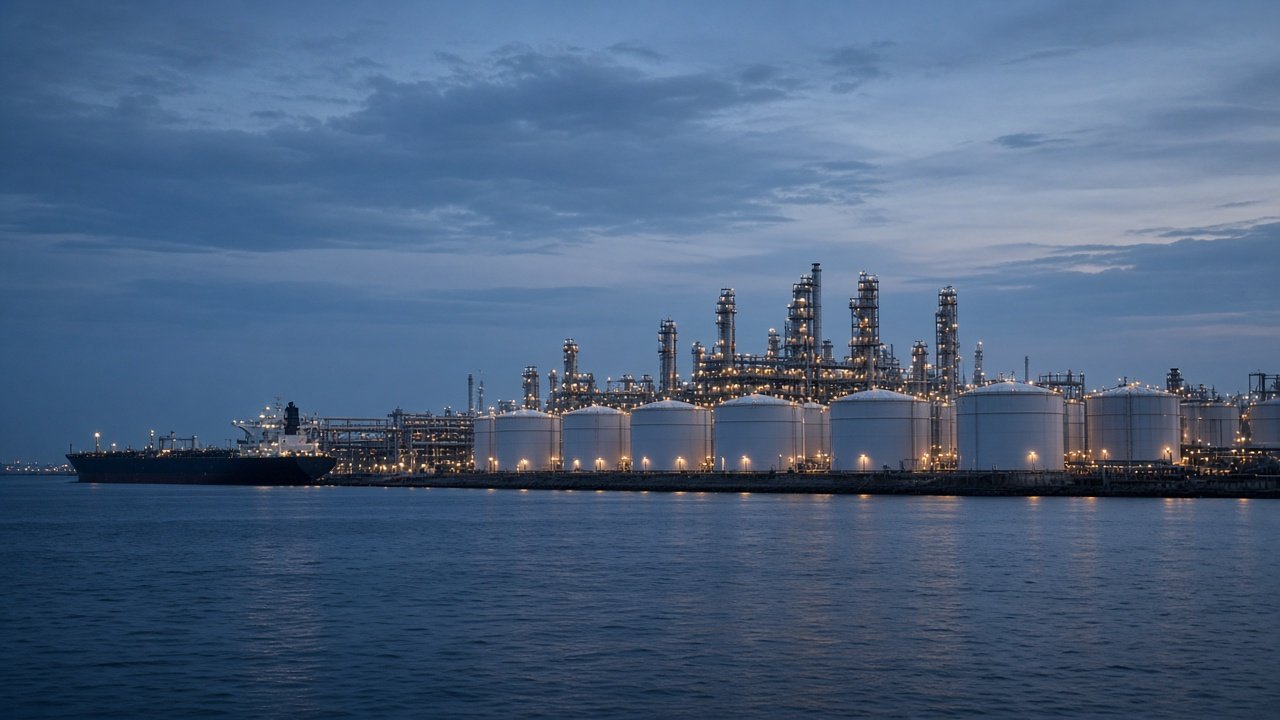
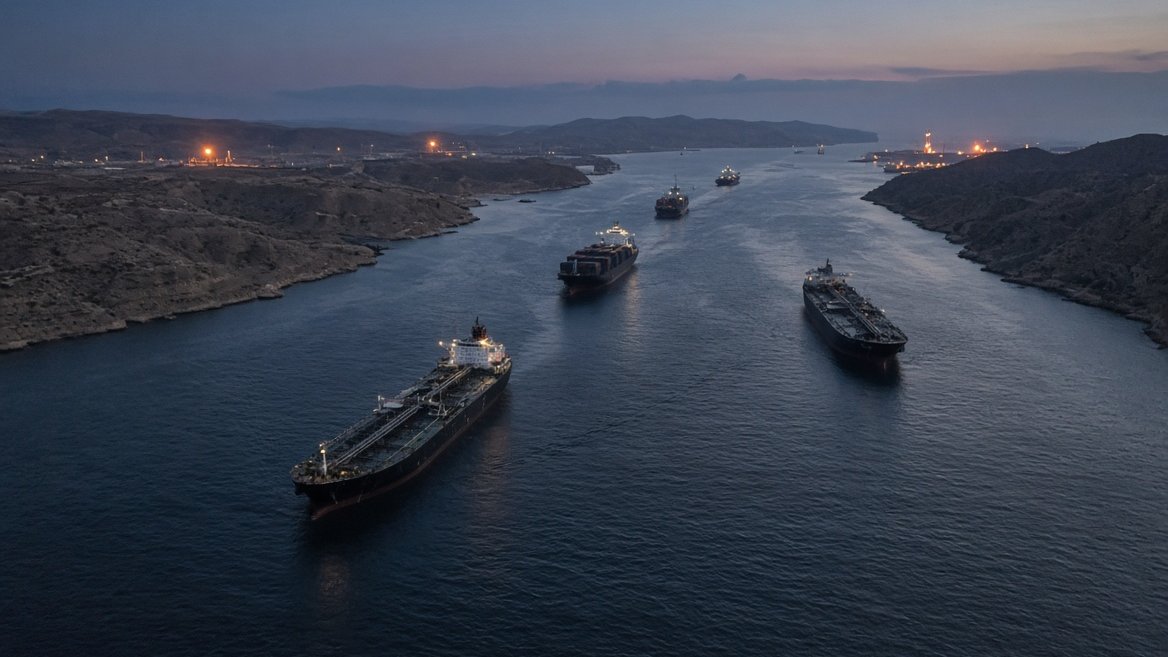
A strike on an LPG carrier in Hormuz kept Brent near $104 on 9 October. China's fuel-export restart and a WTO trade forecast raised to 3.9% now shape costs.
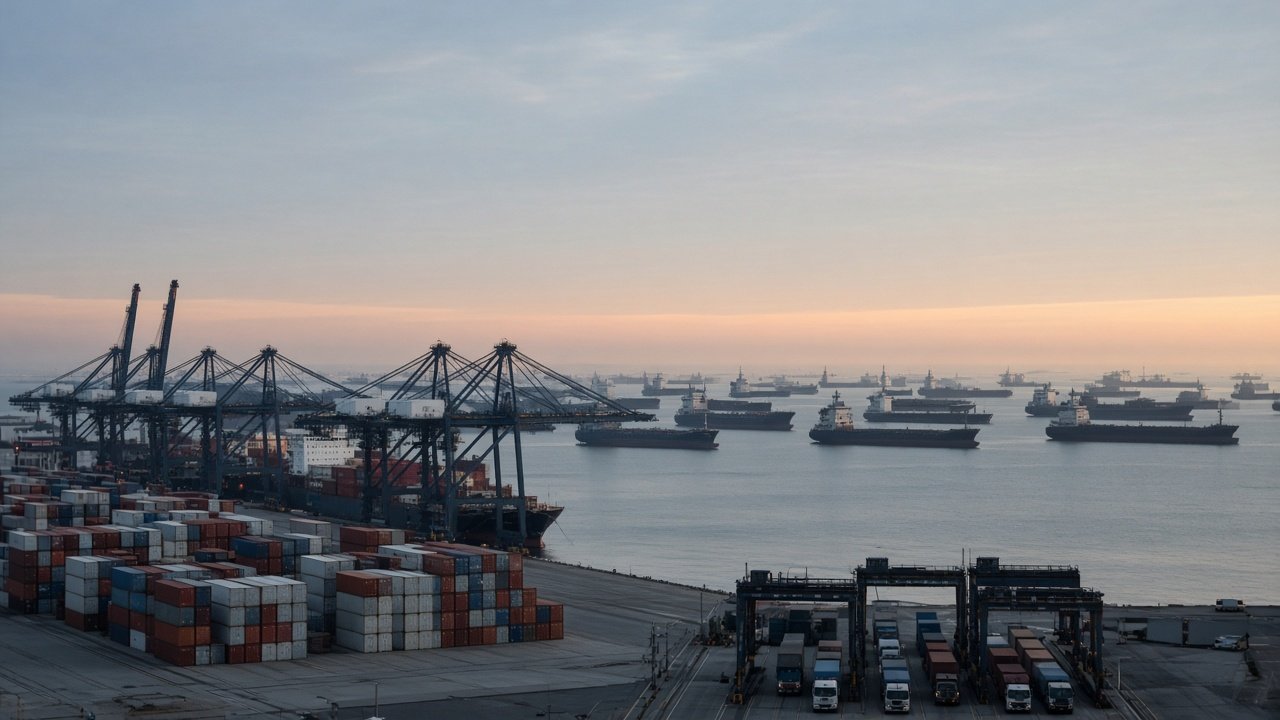
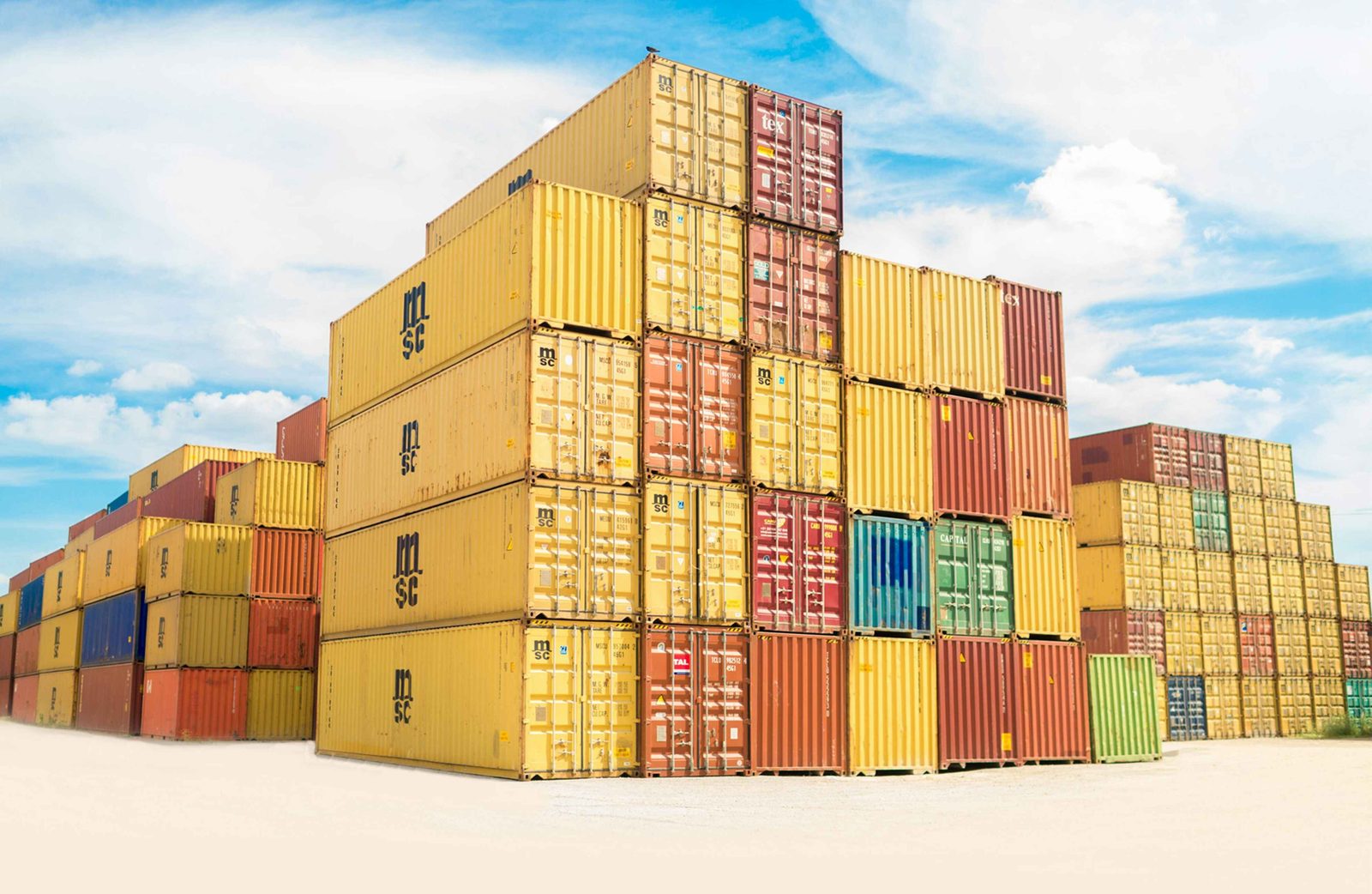
Demurrage is the fee for a carrier container kept inside the terminal past free time; detention applies once it is outside. How to count days and read the bill.
A letter of credit pays only if documents match. A wire transfer pays when the buyer sends funds. Compare timing, the 21-day rule, and discrepancy risk.
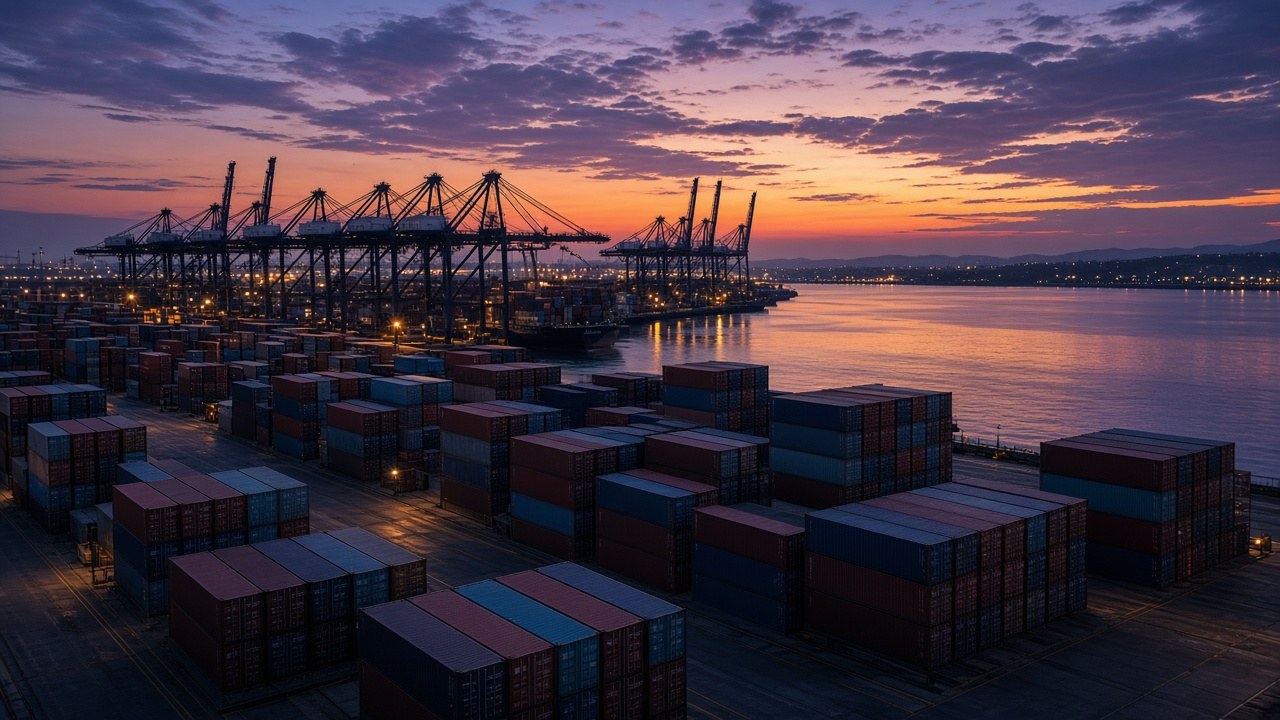
Pacific box rates slipped off a yearly high after Golden Week but stay elevated. A US-China truce, crude near $104, and Europe’s CBAM probe hit costs together.
A bill of lading is a document of title; a sea waybill is not. Compare original, surrender, and waybill release, and when to skip couriering originals.
A letter of credit is a bank promise to pay if documents match. This note covers issuance, presentation, negotiation, and how to avoid mismatches under UCP 600.
Attacks in the Strait of Hormuz kept Brent near $100 as China reopened after its holiday. Transpacific box rates stay high and the won closed near 1,339.
Korean certificates of origin: chamber, customs, or exporter self-issuance by FTA, what to file before shipment, and mistakes that get claims refused.
What Korea’s export duty drawback refunds, the five-year claim window, the two-year import lookback, and individual vs SME flat-rate claims.
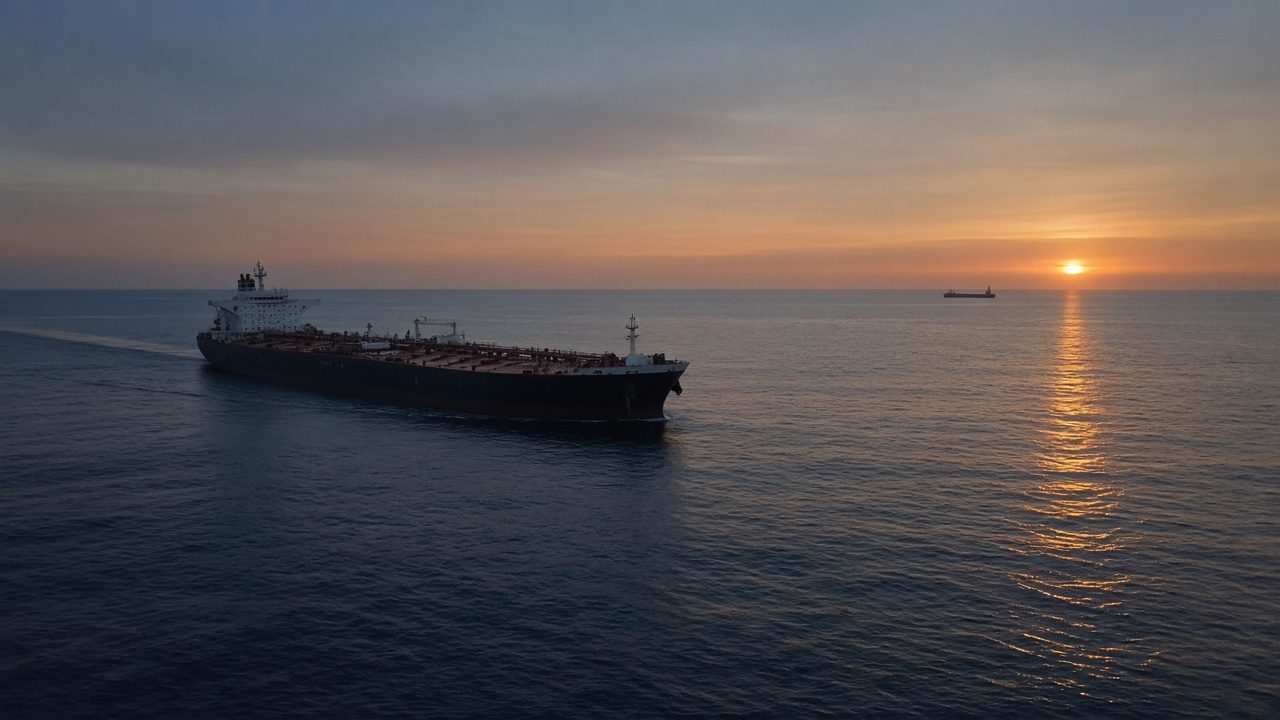
Brent settled at $100.58 as Gulf crude flows recovered but tankers stayed scarce. Dry-bulk freight eased and the dollar softened after weak US jobs data.
Brent rose 4.37% on 1 Oct after reports of a US carrier heading to the Middle East, then eased to ~$100. Freight, BAF and FX checks.
Official schedule, parties, and issues for the second EU–China TIC meeting in China on 8–9 October 2026, plus a separate press roundup of single-outlet reports.
What an HS code is, how exporters look up and classify goods, the 6-digit international vs 10-digit Korean HSK difference, and why it matters for duty rates and FTA.
A practical exporter guide to unsettled U.S. tariffs as of October 2026—Korea’s 15% deal context, Section 301, and IEEPA court rulings.
Why exporters still need overseas trade fairs in the ecommerce era: face-to-face trust, visible capability, and buyer meetings that emails cannot replace.
An export agency owner’s honest take on what SMEs spend to go overseas—agency fees, trade fairs, outbound sales, and where budgets actually go.
An April 2025 forecast on Trump’s tariff war, revisited with October 2026 data on the dollar, U.S. Treasuries, and the trade-deficit story.
Can SMEs export fast via Shopee and Amazon? What launch agencies rarely say about customer service, logistics, and non-tariff barriers abroad.
CFS (Container Freight Station) and CY (Container Yard) explained for traders—where cargo is handled, who pays, and how the terms differ in practice.
FCL vs LCL ocean freight explained: W/M pricing, container capacity, finding your break-even, and the LCL charges and delays shippers miss.
CBM (Cubic Meter) in shipping: what it means, how freight volume is calculated, and why CBM matters for LCL quotes and logistics planning.
MOQ (Minimum Order Quantity) in purchasing and international trade—what it means, why suppliers set it, and related quantity concepts buyers meet.
Proforma invoice (PI), purchase order (PO), and order confirmation (OC)—what each trade contract document means and how they work together in practice.
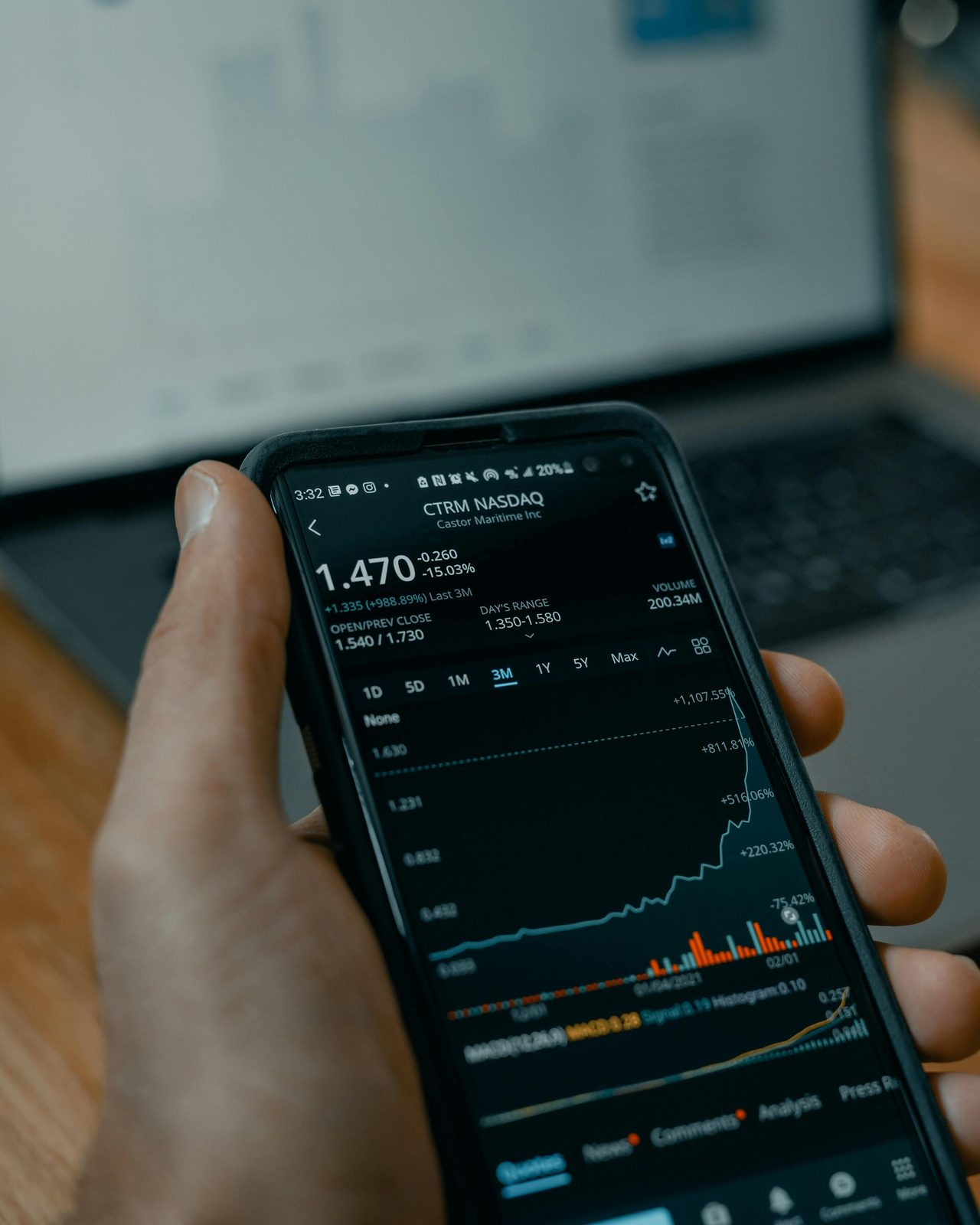
What NASDAQ is and how the NASDAQ Composite Index works—why tech-heavy listings matter and how beginners can read this market benchmark.
Mortgages and mortgage-backed securities explained, plus how the U.S. subprime mortgage crisis unfolded and why it still matters for economic literacy.
What a sovereign default declaration means, how it differs from a moratorium, and real-world cases that show the economic shock of unpaid national debt.
What COO, commercial invoice (CI), packing list (PL), and MSDS mean in export shipping—and why each document matters for customs and logistics.
What a moratorium declaration means in economics and finance, how it differs from default, and notable cases that illustrate the practical impact.
ETD (Estimated Time of Departure) and ETA (Estimated Time of Arrival) explained for traders—why schedule accuracy matters in logistics and supply chains.
What an exchange rate is and why FX moves matter for importers and exporters—pricing, margins, and practical implications of currency fluctuation.
What trade balance (balance of trade) means for exporters and policymakers—how to read surplus vs deficit without confusing it with everyday P&L.
Game theory basics for business and economics: core ideas, payoff thinking, and simple examples that show how strategic decisions interact.
All 11 Incoterms 2020 rules by where risk passes and who pays what, the common mistakes with container cargo, EXW and DDP, and the Incoterms 2030 revision timeline.
Clear definitions of inflation and deflation, how each shows up in prices and demand, and why the difference matters for business and trade planning.
Why rushed system rollouts hurt SMEs: adoption friction, process mismatch, and how to introduce tools without breaking day-to-day operations.
Rethinking “years of experience” in global business—why time alone is a weak signal and how real capability shows up across markets and roles.
Why many SMEs fail at the start of international sales—wrong expectations, thin preparation, and practical fixes before you burn budget abroad.
How to use international trade exhibitions for market research—competitor scans, buyer conversations, and field insights beyond desk research.
How to analyze overseas market research data you already have—turning secondary sources into decisions for export planning and market entry.
How to pick the right international trade fair: buyer fit, cost, timing, and what SMEs should check before committing to an overseas exhibition.
Practical methods and tips for your first overseas market research—where to start, what to collect, and how exporters avoid common research mistakes.
What the Korean Demilitarized Zone (DMZ) is, why it exists, and how the North–South dividing line shapes history visitors should understand.
The Korean War’s legacy and North Korea’s rise explained for travelers and market visitors who need clear historical context without the jargon.
A practical look at South Korea’s 2024 economic outlook: global headwinds, domestic challenges, and what traders and market-watchers should keep in view.
Where to stay in Seoul for transport and cost: neighborhood picks for first-time visitors balancing subway access, nightlife, and hotel value.
Four memorable Seoul walking courses plus map tips—see neighborhoods on foot for culture, food, and city views beyond the usual tourist checklist.
How to evaluate Korean trading agencies and find a reliable partner—roles, expectations, and checks for foreign firms entering Korea’s market.
A practical Seoul travel guide to must-visit places—how to enjoy neighborhoods, landmarks, and local spots without overpacking your first itinerary.
A seasonal guide to the best time to visit Korea—spring blooms, autumn foliage, summer humidity, and winter travel trade-offs for planning trips.
A guide to choosing Korean cities for your trip—Seoul, Busan, and beyond—so you match itinerary length, interests, and travel style to the right stop.
Korea’s time zone (KST) and practical daily timing tips for calls, deliveries, and business rhythms when working with Korean partners.
Practical notes on Korean customer expectations—quality sensitivity, speed, and service norms—for brands entering or selling into the Korean market.
How Korea’s peninsula geography, mountains, and ports shape logistics, regional markets, and the trade environment businesses should understand.
A concise modern history of South Korea for outsiders—growth, division, and market rise—so you understand the context behind today’s Korean market.